
Forest Lake MN Neighborhoods & Areas: A Local Home Buyer’s Guide
Forest Lake, Minnesota offers several very different types of neighborhoods and housing options, which can make choosing the right area just as important as choosing the right home. Buyers can find established neighborhoods near the lake and downtown, newer construction, townhomes, lakefront properties, larger lots, and homes on the edges of the city with a more rural feel.
The right location often depends on more than price. Commute access, lake proximity, lot size, utilities, property age, neighborhood character, and future resale value can all matter. This guide breaks down the main types of areas and housing you’ll find in Forest Lake so you can better understand what may fit your priorities.
Forest Lake Neighborhoods & Areas: What Buyers Should Know
Forest Lake is not a community where every neighborhood feels the same. Housing ranges from older established neighborhoods and traditional subdivisions to newer construction, townhomes, lakefront properties, larger lots, and homes near the edges of the city that offer a more rural setting.
For buyers, the best area often comes down to lifestyle and property priorities. Some buyers want to be closer to the lake, downtown, parks, restaurants, and everyday conveniences. Others prioritize newer homes, larger yards, easier highway access, privacy, or fewer maintenance concerns. Waterfront buyers also have another layer of considerations, including shoreline, water access, property orientation, docks, utilities, and long-term resale value.
Understanding those differences before you start touring homes can make the search much more focused and help you compare properties beyond simply price and square footage. For a broader look at the community, read my guide: Is Forest Lake, MN a Good Place to Live? 15 Things to Know Before Moving Here
Living Near Downtown Forest Lake and the Lake
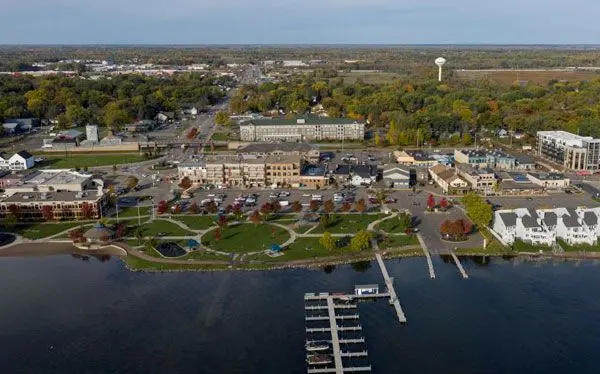
One of the biggest advantages of living near central Forest Lake is convenience. Homes in and around the more established parts of the city can offer easier access to local restaurants, shops, parks, schools, community events, and the lake itself.
Properties closer to the lake and downtown can vary widely in age, lot size, condition, and price. Some buyers are drawn to the character of older homes and mature neighborhoods, while others are focused on walkability, shorter drives to everyday amenities, or simply being closer to the water.
For buyers comparing homes in this part of Forest Lake, it is important to look beyond the address. Street location, traffic patterns, property updates, lot layout, lake proximity, and future resale appeal can all make two similarly priced homes feel very different.
Established Residential Neighborhoods in Forest Lake
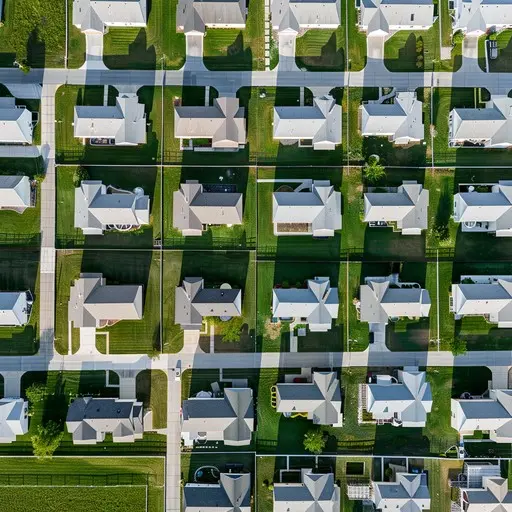
Many of Forest Lake’s established residential neighborhoods appeal to buyers who want mature trees, settled streets, and homes with more individual character than newer subdivisions. These areas can include a wide mix of ramblers, split-levels, two-story homes, and properties that have been updated to very different degrees over time.
The biggest advantage is often location. Established neighborhoods may offer convenient access to schools, parks, shopping, and major roads while still feeling residential and comfortable. Buyers may also find larger yards or more mature landscaping than in some newer developments.
Condition matters, though. Two homes built in the same era can have very different values depending on updates to roofing, windows, mechanical systems, kitchens, bathrooms, drainage, and overall maintenance. When comparing established homes, I recommend looking closely at both the visible updates and the less obvious systems that can affect future costs.
Newer Construction and Growing Areas
Forest Lake also has newer neighborhoods and developing areas that appeal to buyers who prefer modern layouts, newer mechanical systems, energy efficiency, and lower near-term maintenance. These homes often feature open floor plans, larger kitchens, updated finishes, and designs that reflect how buyers live today.
New construction can also involve tradeoffs. Lot sizes may be smaller, landscaping may still be developing, and some neighborhoods may have association rules, architectural guidelines, or additional costs that buyers should understand before purchasing. Timing can matter too, especially when builders are releasing new phases or offering incentives.
When comparing newer construction with an existing home, I look closely at the total cost of ownership, lot quality, builder reputation, neighborhood plans, included features, and resale potential. A newer home may reduce maintenance concerns, but the best value still depends on the specific property and location.
Lakefront and Lake-Access Homes
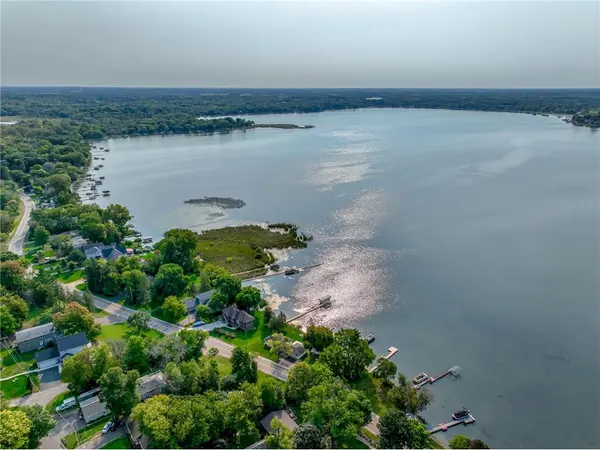
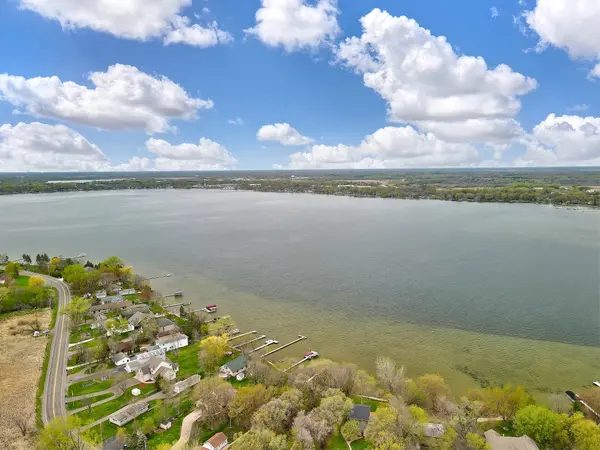
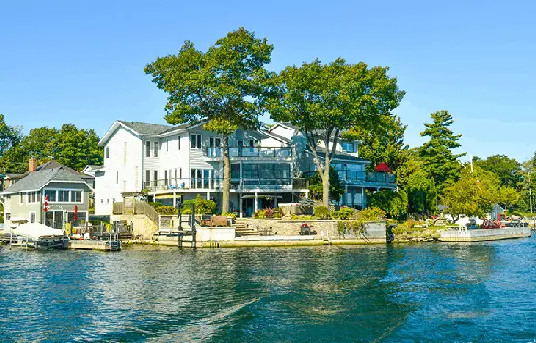
Lakefront and lake-access properties are one of the most distinct parts of the Forest Lake market, and they require a different level of due diligence than a typical residential purchase. Two homes on the same lake can have very different value depending on shoreline quality, water depth, lot elevation, views, privacy, dock access, and how the home is positioned on the property.
Buyers should also pay close attention to practical details such as shoreline regulations, flood considerations, retaining walls, septic or sewer systems, easements, and any restrictions that could affect future improvements. A beautiful view does not automatically mean a property is equally functional or equally valuable.
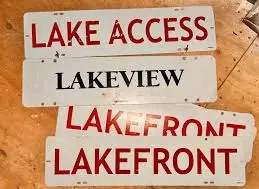
For lake-access homes, it is also important to understand exactly what type of access is included. Shared access, deeded access, association docks, and private shoreline all carry different rights, costs, and resale considerations. For a deeper look at waterfront buying, read my Forest Lake MN Lakefront Homes: Complete Buyer Guide.
Larger Lots, Acreage, and Rural-Feeling Properties
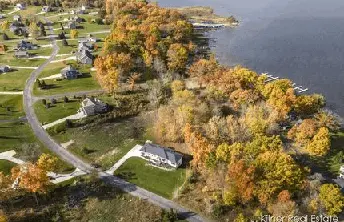
Some buyers are drawn to the edges of Forest Lake because they want more space, privacy, or a setting that feels less suburban. These properties can include larger residential lots, acreage, outbuildings, wooded parcels, and homes with more separation from neighboring properties.
The extra space can be a major advantage, but it also creates more things to evaluate. Buyers should look closely at driveway access, drainage, well and septic systems, wetlands, outbuildings, maintenance needs, and how much of the land is actually usable. A property with several acres can feel very different depending on how that acreage is configured.
For buyers considering larger lots, I also recommend thinking about long-term upkeep and resale. More land can provide flexibility and privacy, but it can also mean additional maintenance, utility considerations, and property-specific costs that may not exist in a traditional neighborhood.
City Sewer and Water vs. Well and Septic
Forest Lake buyers may encounter properties connected to city sewer and water as well as homes that rely on private wells and septic systems. The difference can affect maintenance, inspections, future costs, and what buyers need to verify during the purchase process.
Homes on city utilities are generally more straightforward from an ongoing maintenance standpoint, but buyers should still understand utility costs, assessments, and whether any future infrastructure work is planned nearby. Properties with private well and septic systems require a closer look at system age, condition, compliance, location, and replacement considerations.
For homes with septic systems, buyers should review available inspection and compliance information carefully. A system that is older, undersized, or noncompliant can create a significant expense, so understanding that risk before making an offer is important.
Commute Access and Location Considerations
Forest Lake’s location is one reason buyers consider the area. Interstate 35 provides direct access toward the Twin Cities, while Highway 61 and other local routes connect Forest Lake with nearby North Metro and Chisago County communities.
For commuters, the exact location of a home within Forest Lake can make a noticeable difference in daily drive time. A property with quick access to I-35 may be especially appealing to someone commuting south for work, while other buyers may prioritize being closer to schools, shopping, the lake, or neighboring communities such as Wyoming, Hugo, Scandia, or the Chisago Lakes area.
When comparing locations, I recommend considering more than the estimated commute shown on a map. Traffic patterns, winter driving, access to major roads, nearby commercial development, and how often you travel to other parts of the metro can all influence which part of Forest Lake makes the most sense.
What Home Prices Look Like Across Forest Lake
Home prices in Forest Lake can vary significantly depending on location, property type, age, condition, lot size, and whether a home has lake access or direct shoreline. A newer home in a developing neighborhood may be priced very differently from an older home closer to downtown, even if the square footage is similar.
Lakefront properties typically command a premium, but the size of that premium depends on the quality of the shoreline, views, water access, updates, lot characteristics, and overall functionality of the property. Larger lots and acreage properties can also carry added value, but condition and usability matter just as much as total acreage.
Because the market can shift quickly, I recommend comparing current listings with recent closed sales rather than relying only on broad online estimates. The most useful comparison is usually between homes with similar location, condition, lot characteristics, and property features. For a broader look at housing costs and everyday expenses, read my Cost of Living in Forest Lake, MN: 2026 Price Guide.
Property taxes can also affect the true monthly cost of ownership. Read my Forest Lake MN Property Taxes: What Home Buyers Need to Know guide for more detail.
How to Choose the Right Part of Forest Lake
The best part of Forest Lake depends on what matters most to you. Some buyers prioritize lake access or views, while others care more about commute time, newer construction, larger lots, schools, walkability, or being closer to everyday conveniences.
I recommend narrowing the search by first identifying your top three priorities. That might be privacy, price, proximity to I-35, lower maintenance, a specific property type, or access to the lake. Once those priorities are clear, it becomes much easier to compare homes and neighborhoods objectively.
The goal is not simply to find the “best” area. It is to find the part of Forest Lake that best fits your lifestyle, budget, and long-term plans.
Forest Lake Neighborhoods FAQ
Is Forest Lake a good place to buy a home?
Forest Lake offers a wide range of housing options, from established neighborhoods and newer construction to lakefront homes, townhomes, and larger-lot properties. The best fit depends on your budget, commute, property preferences, and long-term plans.
Are there lakefront neighborhoods in Forest Lake?
Yes. Forest Lake has both direct lakefront properties and homes with different types of lake access. Buyers should carefully review shoreline, dock rights, access type, lot characteristics, and any restrictions that may affect how the property can be used.
Does Forest Lake have newer construction?
Yes. Buyers can find newer homes and developing neighborhoods in and around Forest Lake. New construction can offer modern layouts and lower near-term maintenance, but buyers should still compare lot size, builder quality, included features, association rules, and total ownership costs.
Are there homes with acreage near Forest Lake?
Yes. Larger lots and acreage properties are available in and around the Forest Lake area. These homes can provide more privacy and flexibility, but buyers should also consider well and septic systems, wetlands, outbuildings, drainage, and ongoing maintenance.
What should I consider when choosing a Forest Lake neighborhood?
Think about your priorities first: commute, lake access, lot size, home age, maintenance, price, proximity to schools and amenities, and whether you prefer a more established neighborhood or newer development.
Thinking About Buying a Home in Forest Lake?
If you’re considering buying a home in Forest Lake, I can help you compare neighborhoods, property types, lakefront options, newer construction, and larger-lot homes based on what matters most to you.
I’ll help you evaluate recent sales, property condition, location, utilities, lake or lot characteristics, and other details that can affect value and long-term ownership.
Ready to start your Forest Lake home search? Contact me anytime to talk through your options.
Categories
Recent Posts