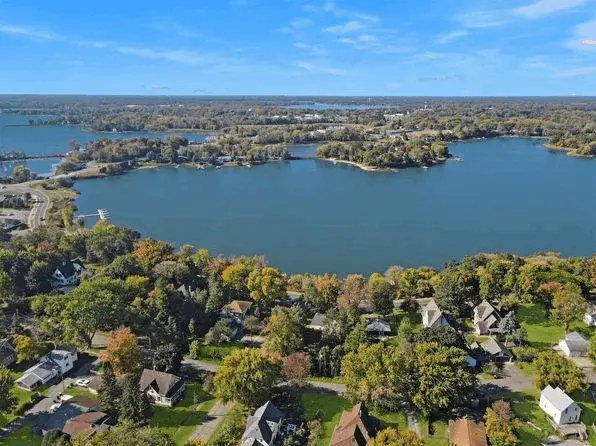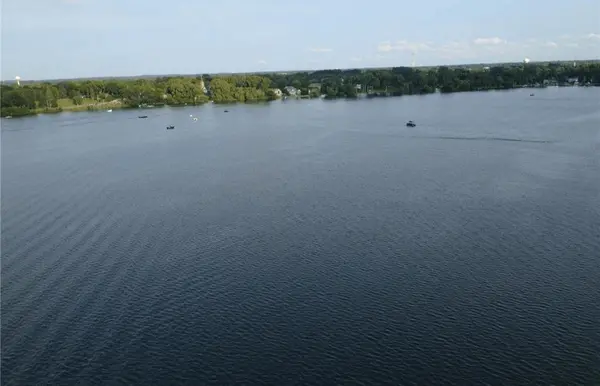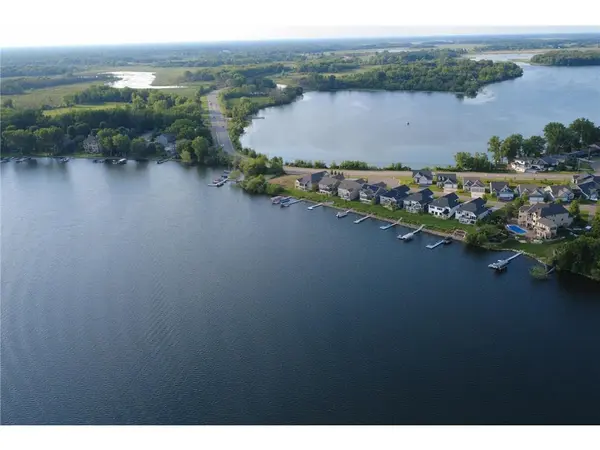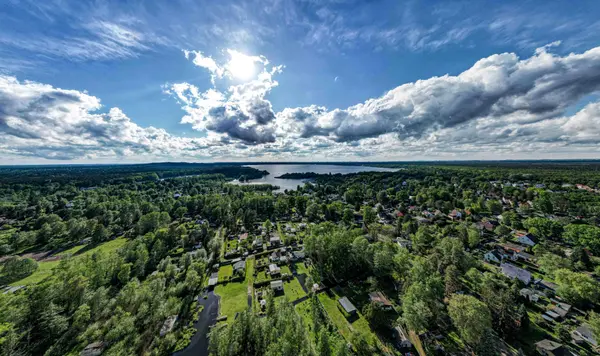

Reshanau Lake MN Waterfront Guide: Homes, Water Quality, Privacy & Buyer Considerations
What Makes Reshanau Lake Different?
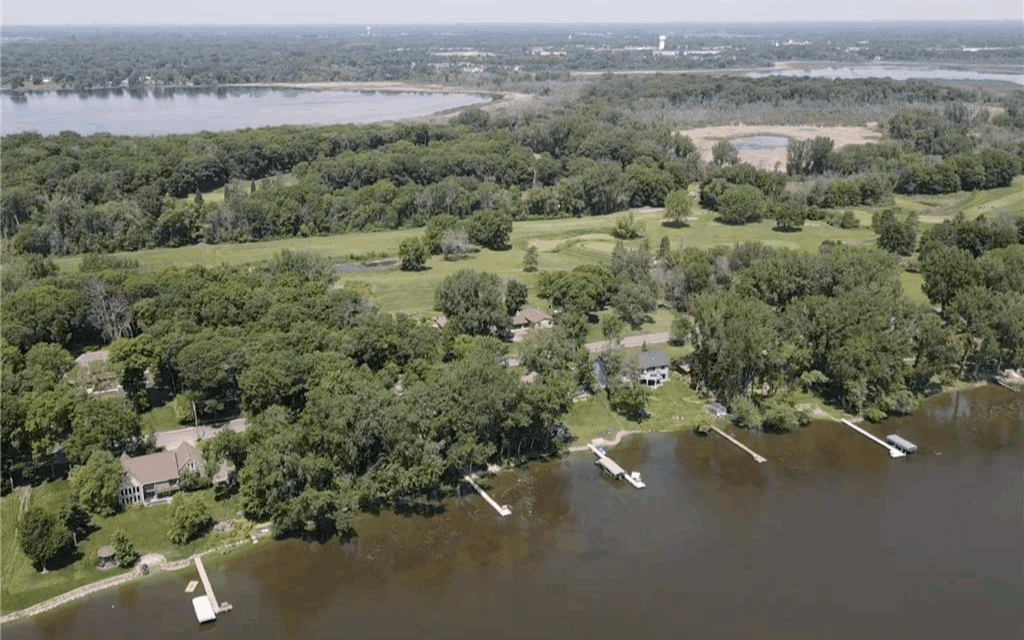
One of Reshanau Lake’s most distinctive characteristics is what it doesn’t have: a public boat launch. The Minnesota DNR states that there is no public boat access to the lake, while public shore fishing is limited to a small city park on the southwest shoreline.
For some waterfront buyers, the absence of a public boat ramp may be attractive because it limits convenient trailered public access. But Reshanau should not be described as a private lake. Waterfront owners, neighboring properties, and the limited public shoreline access still make it a shared public-water environment.
This creates a different buyer profile than a larger recreational lake with a heavily used launch. Someone considering Reshanau should think carefully about how they actually want to use the water—paddling, fishing, shoreline recreation, views, privacy, or other activities—and whether the specific property supports that use.
Reshanau Lake at a Glance
Rice Creek Watershed District’s management plan lists Reshanau Lake at approximately 342 acres, with an average depth of about 7 feet and a maximum depth of approximately 10 feet. RCWD classifies it as a shallow lake and places it in its restoration management category.
Its shallow depth is important because shallow lakes often behave differently from deeper recreational lakes. Aquatic vegetation, nutrient cycling, temperature, dissolved oxygen, algae, and winter conditions can all play a larger role in the lake’s ecology.
The DNR lists northern pike, bluegill, crappie and bullhead species among the fish present. It also notes that common carp can occur in relatively high populations and that some fish have historically been stocked by riparian property owners under DNR permit.
Living on a Lake Without a Public Boat Launch
Reshanau’s lack of a public boat launch is one of the biggest differences buyers should understand before comparing it with Centerville or Peltier.
For buyers seeking a lake setting without a traditional public boat-ramp environment, that may be appealing. But it also means buyers who own larger trailered watercraft should investigate exactly how they would get a boat onto or off the lake rather than assuming conventional public launching is available.
The individual property becomes especially important. Shoreline access, existing docks, elevation, water depth, vegetation, and the practicality of using kayaks, paddleboards, fishing boats or other watercraft should all be evaluated during the purchase process.
Reshanau Lake Water Quality & Algae
Water quality is an important part of Reshanau Lake’s story. The Minnesota DNR currently describes water quality as poor and notes that algae blooms are common. Rice Creek Watershed District has historically classified Reshanau as a shallow lake requiring restoration-focused management.
RCWD’s management data also show that Reshanau has historically carried elevated phosphorus and algae concentrations. Those measurements are useful for understanding the lake’s long-term challenges, but buyers should not treat older monitoring averages as a guarantee of what conditions will look like during any particular year or season.
For a prospective homeowner, that makes multiple property visits especially valuable. Lake appearance can vary with temperature, rainfall, wind, seasonal vegetation and algae conditions, so buyers should avoid judging the waterfront from one photograph or a single showing.
Winterkill & Reshanau Lake’s Fishery
Reshanau’s shallow depth also contributes to another characteristic buyers should understand: occasional winterkill.
The DNR notes that Reshanau has experienced winterkill, with 2014 identified as the most recent event listed on its current lake page. Winterkill occurs when oxygen levels beneath winter ice fall low enough to cause fish mortality, a condition that shallow lakes can be more susceptible to.
That does not mean fish cannot thrive in Reshanau, but it does mean the lake should not be evaluated solely as a traditional fishing lake based on species lists. Buyers who consider fishing a major part of their lake-home decision should understand the lake’s current fishery and recent conditions rather than relying on historic assumptions.
Lake Bottom, Shoreline & Swimming Conditions on Reshanau Lake
Lake-bottom conditions are especially important on a shallow waterfront property, but available official sources do not characterize all of Reshanau Lake as uniformly sandy, gravel, rocky, firm-bottomed or muck-bottomed.
Buyers should therefore physically evaluate the near-shore substrate at the specific property. Is the bottom sand or gravel? Is it firm enough for comfortable wading? Is there softer silt or muck? How quickly does the water deepen? Is vegetation concentrated around the dock or swimming area?
Those differences can dramatically change how two seemingly similar waterfront homes function. A visually attractive shoreline does not necessarily mean it offers the same swimming, wading, dock or boating experience as another property nearby.
Minnesota DNR guidance also cautions that adding sand or gravel is not automatically a simple solution to a soft lake bottom; beach material can sink into muck, and shoreline alteration rules may apply.
Aquatic Vegetation on Reshanau Lake
Aquatic vegetation is another property-specific consideration. Rice Creek Watershed District documented curlyleaf pondweed beds on Reshanau Lake during its 2024 aquatic-plant work.
Vegetation is a natural part of lake ecology, but dense growth near an individual property can affect swimming, paddling, dock access and how the shoreline feels during the summer.
Buyers should also understand that Minnesota regulates certain aquatic-plant removal activities. The ability to remove vegetation or alter a lake bottom should never be assumed simply because a homeowner owns the adjoining shoreline.
Reshanau Lake Waterfront Homes & Real Estate Considerations
Reshanau Lake properties should be evaluated based on the quality of the individual waterfront experience, not simply whether the listing says “lakefront.”
Because there is no public boat launch and the lake is shallow, buyers may place more emphasis on privacy, views, shoreline usability, lake-bottom firmness, vegetation, lot configuration, elevation and direct access from the home to the water.
A property with a more usable shoreline, better views, greater privacy or easier water access may appeal very differently from another home with similar square footage but more difficult waterfront conditions.
For sellers, this makes accurate presentation particularly important. Marketing should explain what is genuinely attractive about the property without describing Reshanau as a private lake or avoiding legitimate water-quality and shoreline considerati
Reshanau Lake vs. Centerville Lake vs. Peltier Lake
These three nearby lakes offer genuinely different waterfront environments.
Reshanau Lake
Reshanau is a shallow lake without a public boat launch. Its appeal may lean more toward waterfront setting, privacy, views and lower public-launch activity, while buyers should pay particular attention to water quality, vegetation, shoreline usability and lake-bottom conditions.
Centerville Lake
Centerville Lake supports public boating, fishing and swimming and is closely integrated with the Rice Creek Chain of Lakes Regional Park Reserve. Its recent story is defined in part by the major alum treatment completed in 2026 to reduce internal phosphorus loading and improve water quality.
Peltier Lake
Peltier is larger and also relatively shallow, with public boat access, fishing, significant park connections and extensive aquatic habitat. Its vegetation and water-quality characteristics make individual shoreline evaluation particularly important.
What Buyers Should Verify Before Purchasing on Reshanau Lake
A Reshanau Lake buyer should spend time evaluating the actual waterfront—not only the house.
Water depth, bottom firmness, sand versus gravel versus softer sediment, aquatic vegetation, dock usability, swimming access, shoreline slope, erosion, drainage, elevation and privacy should all be investigated at the specific property.
Buyers should also verify lot boundaries, easements, utilities, flood information, shoreline setbacks, permits and any limitations affecting future remodeling or shoreline improvements.
And because there is no public boat launch, buyers who expect to use larger watercraft should specifically determine how that particular property accommodates launching, storage, removal and seasonal access before purchasing.
What Sellers Should Know About Reshanau Lake Waterfront Value
Reshanau Lake sellers should avoid trying to market their property exactly like a home on Centerville Lake, Peltier Lake or Forest Lake.
The lake has a different value proposition. A buyer may care about the absence of a public launch, quieter waterfront setting, privacy, views, usable shoreline, lot size and outdoor living more than traditional high-traffic boating access.
The strongest pricing strategy should therefore compare not only house size and condition but also shoreline quality, lake-bottom conditions, water depth, vegetation, orientation, elevation, privacy and the functionality of the lot.
The absence of public boat access can be presented factually as a characteristic of Reshanau Lake—but it should not be converted into claims that the lake itself is private.
Frequently Asked Questions About Reshanau Lake Waterfront Real Estate
Is Reshanau Lake a private lake?
No. Reshanau Lake does not have a public boat launch, but that does not make it a private lake. The DNR also identifies limited public shore-fishing access at a small city park on the southwest shore.
Does Reshanau Lake have a public boat launch?
No. The Minnesota DNR states that there is no public boat access to Reshanau Lake.
How deep is Reshanau Lake?
Rice Creek Watershed District lists an average depth of approximately 7 feet and a maximum depth of about 10 feet, making Reshanau a shallow lake.
What is the water quality like on Reshanau Lake?
The Minnesota DNR describes Reshanau’s water quality as poor and notes that algae blooms are common. Conditions can vary by season and year, so buyers should evaluate current conditions when considering a waterfront property.
Does Reshanau Lake experience winterkill?
Yes, occasional winterkill has occurred. The DNR’s current Reshanau Lake page lists 2014 as the most recent winterkill event noted there.
What fish are found in Reshanau Lake?
The DNR lists northern pike, bluegill, crappie and bullhead species and notes that common carp can also occur in relatively high numbers.
What is the lake bottom like on Reshanau Lake?
Official sources do not identify one uniform lake-bottom type across Reshanau. Buyers should evaluate the specific shoreline for sand, gravel, firm sediment, softer muck or silt, vegetation and water depth because conditions can vary from property to property.
What should I inspect before buying a Reshanau Lake home?
In addition to the house itself, buyers should evaluate shoreline condition, lake-bottom firmness, water depth, vegetation, swimming and dock access, erosion, elevation, drainage, easements, utilities, setbacks, permits and how watercraft would be launched or removed without a public boat ramp.
Thinking About Buying or Selling a Reshanau Lake Waterfront Home?
Reshanau Lake offers a different kind of North Metro waterfront experience—one defined less by a public boat-ramp environment and more by the individual shoreline, views, privacy and relationship between the home and water.
If you’re considering buying or selling a Reshanau Lake property, I can help you evaluate the home, shoreline, lake conditions and real-estate factors that can influence both daily enjoyment and long-term value.
Recent Posts