
Peltier Lake & Centerville MN Waterfront Guide: Homes, Shoreline, Boating & What Buyers Should Know
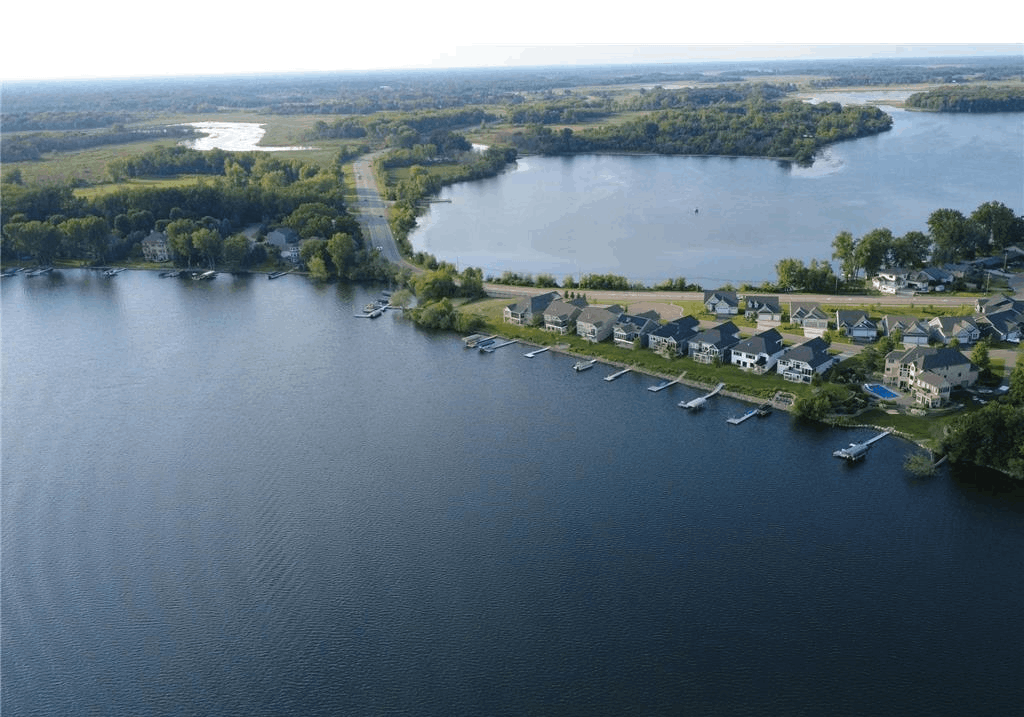
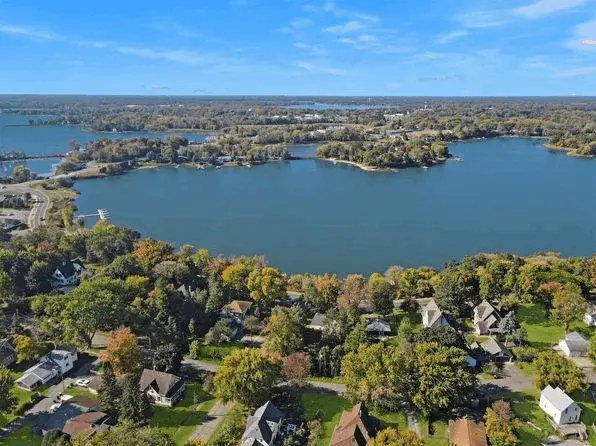
Peltier Lake is one of the defining features of Centerville, Minnesota, offering waterfront homes, boating, fishing, parks, and a setting that feels surprisingly removed from the Twin Cities despite its convenient North Metro location. But Peltier is also a relatively shallow lake with distinct shoreline and water-quality characteristics that buyers should understand before purchasing waterfront property. This guide covers the lake itself, waterfront real estate considerations, recreation, access, shoreline, and the details that can influence long-term enjoyment and value.
Peltier Lake at a Glance
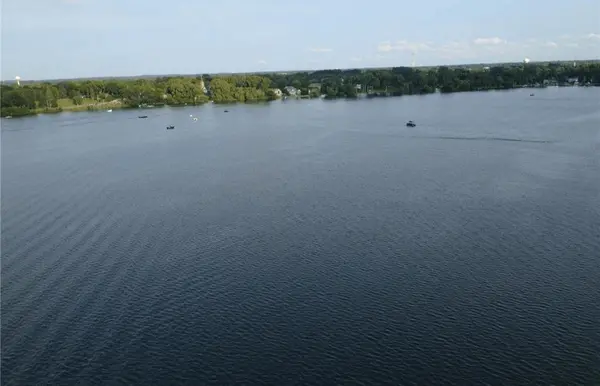
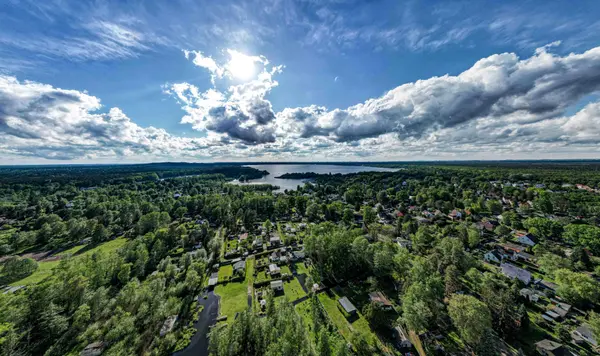
Peltier Lake is located in Centerville and covers roughly 551 acres, with about 8 miles of shoreline and a maximum depth of approximately 18 feet. The Minnesota DNR describes it as a shallow lake; much of the southern shoreline is developed with residential property, while the shallower northern basin is surrounded primarily by wetland.
Public boat access is located near the lake’s outlet within the Rice Creek Chain of Lakes Regional Park Reserve, and the area also includes a fishing pier and shoreline fishing opportunities. Peltier is a popular open-water and ice-fishing lake, with northern pike, crappie, bluegill, largemouth bass, channel catfish, and walleye among the species present.
What Waterfront Buyers Should Know About Peltier Lake
Peltier Lake is a shallow lake, and that matters when evaluating waterfront property. The lake reaches a maximum depth of about 18 feet, with roughly 412 of its 551 acres considered littoral, meaning a large share of the lake is shallow enough to support aquatic vegetation. Buyers should pay close attention to shoreline condition, vegetation, water depth near the dock, and how usable the water is for swimming and boating at the specific property.
Water quality is also an important part of the Peltier Lake story. The lake has historically experienced excess phosphorus and algae blooms and is listed as impaired for aquatic recreation. The Rice Creek Watershed District has completed restoration work in the past and is planning additional water-quality improvement efforts, including a pilot project targeted for 2027.
Aquatic vegetation and invasive species are another consideration. Eurasian watermilfoil is present in Peltier Lake, and curly-leaf pondweed has also contributed to nutrient cycling in the lake. Because vegetation can affect swimming, dock use, and boating access, buyers should evaluate the shoreline at the individual property rather than assuming all Peltier Lake frontage functions the same way.
Peltier Lake Boating, Fishing & Recreation
Peltier Lake supports a wide range of recreational use, but its shallow character shapes how people experience the water. The public boat access is located near the outlet dam within the Rice Creek Chain of Lakes Regional Park Reserve, and the park system also includes a fishing pier, canoe access, trails, picnic areas, and other outdoor amenities.
Fishing is a major part of the lake’s appeal. Peltier is a popular summer and winter fishery, with northern pike and panfish among the primary targets. Crappie are also abundant, and walleye are present through stocking efforts, although they are not considered abundant.
For waterfront buyers, recreation should still be evaluated property by property. Water depth near shore, aquatic vegetation, dock location, and seasonal conditions can affect boating and swimming access even when the lake as a whole is recreationally active. Peltier’s shallow profile and large littoral area make those shoreline-level differences especially important.
Peltier Lake Waterfront Homes & Real Estate Considerations
Waterfront homes around Peltier Lake can vary significantly in lot shape, shoreline usability, elevation, privacy, and water access. Because much of the lake is shallow, buyers should pay especially close attention to water depth at the dock, aquatic vegetation, swimming conditions, and how easily the property connects to the lake. A home with attractive views may still function very differently from another property just a short distance away.
Lot characteristics can be just as important as the house itself. Buyers should evaluate shoreline frontage, setbacks, drainage, septic or sewer service, retaining walls, dock placement, mature trees, and whether there is room for future improvements. On waterfront property, those site-specific details can materially affect both day-to-day enjoyment and long-term resale value.
For sellers, pricing should reflect the full waterfront package rather than relying only on square footage or nearby residential sales. Shoreline quality, water depth, privacy, views, lot usability, condition of improvements, and proximity to parks and trails can all influence buyer demand. The strongest pricing strategy compares both the home and the quality of the waterfront.
Peltier Lake Water Quality & Restoration: What Buyers Should Know
Peltier Lake has a long history of water-quality challenges tied primarily to excess phosphorus and algae growth. Rice Creek Watershed District identifies the lake as impaired for aquatic recreation, and earlier studies found that a large share of the phosphorus load comes from within the lake itself rather than only from runoff entering from surrounding land.
The lake has already gone through active restoration work. In 2018, the watershed district completed a controlled drawdown designed to reduce curly-leaf pondweed, compact shallow sediments, and limit phosphorus recycling from the lake bottom. Monitoring has continued since that project.
More work is planned. Rice Creek Watershed District is developing a 2027 Peltier Lake water-quality pilot project to test additional methods for reducing phosphorus impacts, while separate restoration work on Clearwater Creek is intended to reduce sediment entering Peltier Lake. That makes water quality an evolving story rather than a static condition buyers should judge from one season or one showing.
Peltier Lake Parks, Trails & Centerville Lifestyle
One of Peltier Lake’s biggest advantages is its connection to the Rice Creek Chain of Lakes Regional Park Reserve. The park system surrounds much of the lake area and includes paved and natural-surface trails, boat and canoe access, a fishing pier, picnic areas, playgrounds, campground facilities, and connections into the broader regional trail network.
That gives buyers something beyond the shoreline itself. Living near Peltier Lake can mean quick access to biking, walking, fishing, paddling, nature areas, and park amenities without having to leave the immediate Centerville area. For some buyers, that broader outdoor lifestyle can be just as important as the lake view or dock.
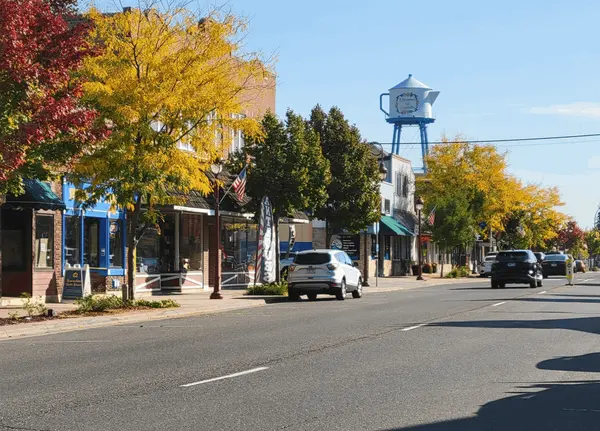
Centerville also benefits from its North Metro location. Peltier Lake sits close to I-35E and neighboring communities such as Lino Lakes, Hugo, and White Bear Lake, giving residents a combination of lake-oriented living and relatively convenient access to the broader Twin Cities area.
How Peltier Lake Compares With Centerville Lake and Reshanau Lake
Although Peltier Lake, Centerville Lake, and Reshanau Lake sit within the same broader Centerville/Lino Lakes lake area, buyers should not assume they offer the same waterfront experience. Differences in public access, water depth, aquatic vegetation, water-quality history, shoreline development, and recreational use can make each lake appeal to a different type of buyer.
Centerville Lake
Centerville Lake has public boat access through the Rice Creek Chain of Lakes Regional Park Reserve and supports boating, fishing, and other recreational use. Its water-quality story is particularly important right now: the Rice Creek Watershed District completed a two-phase alum treatment in June 2026 designed to reduce phosphorus released from lake sediments, with the project expected to improve water quality for approximately 15 to 20 years.
Peltier Lake
Peltier is the larger, shallow-water lake we are focusing on in this guide. It offers public access, fishing, boating, extensive park connections, and a mix of developed shoreline and wetland areas. Its shallow profile, vegetation, and ongoing water-quality work make property-specific shoreline evaluation especially important.
Reshanau Lake
Reshanau offers a different experience. There is no public boat access, shore fishing is limited, and the lake can experience algae blooms and occasional winterkill. That lack of public access may appeal to buyers who value less outside boat traffic, but buyers should still understand the lake’s water-quality and recreational characteristics before assuming it is a substitute for Centerville or Peltier.
For waterfront buyers, the better question is not simply which lake is “best.” It is which combination of shoreline, water conditions, recreation, privacy, property type, and location best fits how they plan to use the home. That is why Centerville Lake, Peltier Lake, and Reshanau Lake should be evaluated as separate waterfront micro-markets rather than one interchangeable area.
What Buyers Should Verify Before Purchasing a Peltier Lake Home
Before buying on Peltier Lake, buyers should evaluate the shoreline as carefully as the house. Water depth at the dock, aquatic vegetation, swimming access, shoreline slope, erosion, retaining walls, and how easily the property connects to the lake can vary significantly from one lot to another.
Buyers should also verify the property’s utility and regulatory details, including septic or sewer service, well information if applicable, lot boundaries, easements, setbacks, flood information, permits, and whether future improvements near the shoreline are allowed. Those issues can affect financing, renovation plans, and long-term value.
Whenever possible, visit the property more than once and experience the shoreline from the water. A listing photo may not reveal seasonal vegetation, afternoon wind, neighboring docks, boating activity, water depth, or how private the shoreline actually feels.
What Sellers Should Know About Peltier Lake Waterfront Value
Peltier Lake homes should be priced based on more than square footage and nearby residential sales. Shoreline usability, water depth, vegetation, views, privacy, lot shape, elevation, dock access, home condition, and proximity to park and trail amenities can all influence buyer demand.
Because Peltier has a mix of developed shoreline, shallow-water areas, and wetland-influenced sections, two homes with similar size and condition may still have very different market appeal. A seller with more usable shoreline, better water access, stronger views, or a more functional lot may be able to justify a premium over a nearby property that looks similar on paper.
The best pricing strategy compares both the home and the waterfront. Buyers are not only purchasing the structure—they are also buying the shoreline experience, recreation, privacy, and long-term potential of the property.
Frequently Asked Questions About Peltier Lake Waterfront Real Estate
Is Peltier Lake a recreational lake?
Yes. Peltier Lake is used for boating, fishing, paddling, and other lake recreation. Because it is relatively shallow and aquatic vegetation can vary around the lake, buyers should evaluate water depth and shoreline usability at the specific property they are considering.
How deep is Peltier Lake?
Peltier Lake has a maximum depth of approximately 18 feet. Much of the lake is relatively shallow, which contributes to its extensive aquatic vegetation and makes dock depth and shoreline conditions particularly important when comparing waterfront homes.
Does Peltier Lake have public boat access?
Yes. Public access is available near the lake’s outlet within the Rice Creek Chain of Lakes Regional Park Reserve. The surrounding park system also provides fishing, trails, picnic areas, and other recreational amenities.
What should buyers know about Peltier Lake water quality?
Peltier Lake has historically experienced elevated phosphorus levels, aquatic vegetation, and periodic algae blooms. Water-quality restoration work has taken place on the lake, and additional improvement projects are being planned. Buyers should consider current conditions and evaluate the shoreline of an individual property rather than judging the entire lake from a single visit.
What affects the value of a Peltier Lake waterfront home?
Value can be influenced by shoreline quality, water depth, dock usability, frontage, lake views, privacy, elevation, lot shape, home condition, access to the water, and future improvement potential. Two homes with similar square footage can have very different values because of differences in the waterfront itself.
What should I inspect before buying a home on Peltier Lake?
In addition to a standard home inspection, buyers should consider shoreline condition, dock access, retaining walls, drainage, erosion, septic or sewer service, wells if applicable, permits, easements, lot boundaries, and any restrictions affecting future improvements near the water.
How does Peltier Lake compare with Centerville Lake and Reshanau Lake?
Each lake offers a different waterfront experience. Peltier is larger and relatively shallow, Centerville has undergone significant recent water-quality improvements, and Reshanau has no public boat access. Buyers should compare the individual shoreline, recreation, privacy, water conditions, and property characteristics rather than treating the three lakes as interchangeable.
Thinking About Buying or Selling a Peltier Lake Waterfront Home?
Peltier Lake offers a unique waterfront setting in Centerville, with boating, fishing, park access, trails, and convenient North Metro location. But shoreline conditions, water depth, vegetation, lot characteristics, and water quality can vary considerably from one property to another. If you’re considering buying or selling on Peltier Lake, I can help you evaluate both the home and the waterfront so you can make a more informed real estate decision.
Recent Posts