
Centerville Lake MN Waterfront Guide: Homes, Boating, Water Quality & What Buyers Should Know
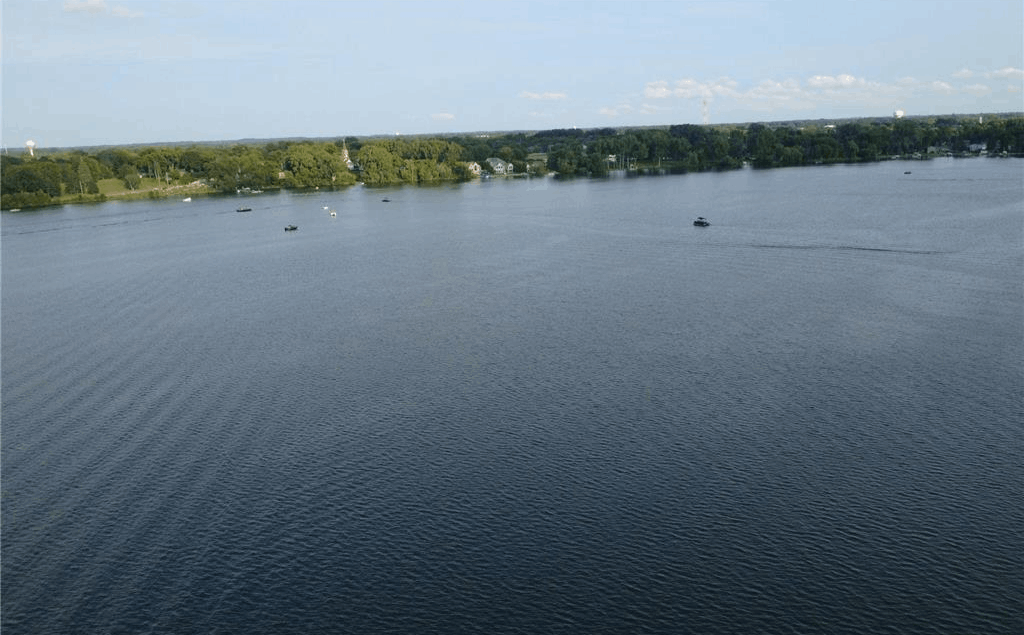
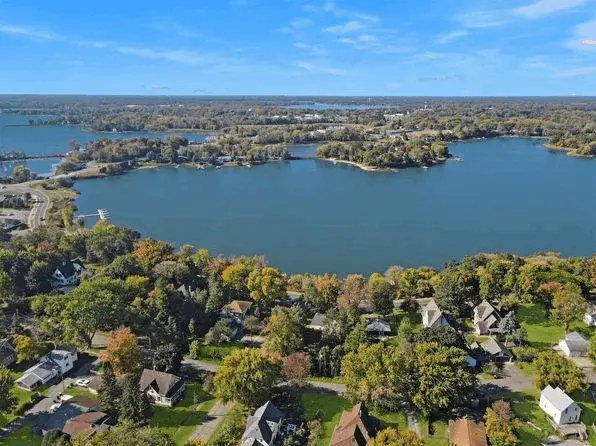
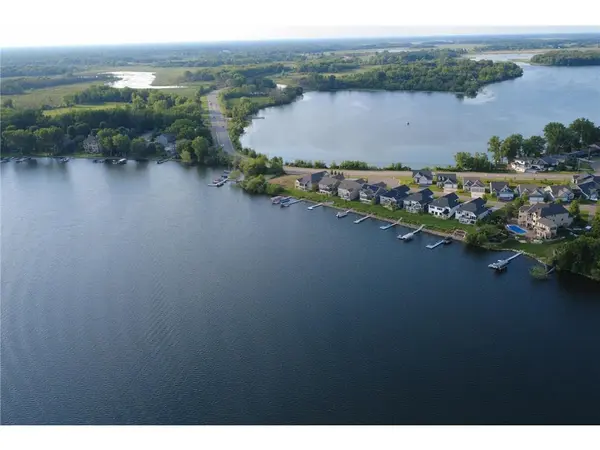
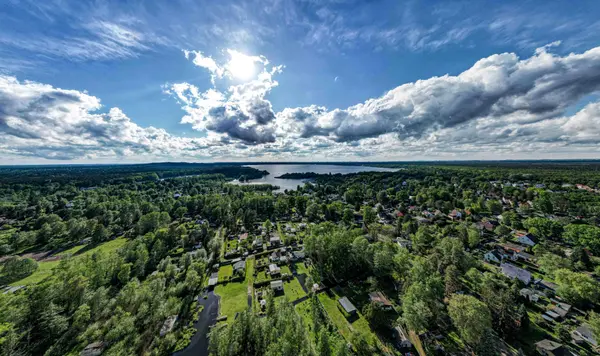
Centerville Lake offers a distinctive waterfront setting in the North Metro, combining lake homes, boating, fishing, swimming, park access, and convenient proximity to the Twin Cities. Located in Centerville, Minnesota, the lake is also in the middle of an important water-quality story following a major restoration project completed in 2026. For buyers and sellers, understanding the lake itself—as well as shoreline quality, water depth, recreation, lot characteristics, and recent water-quality improvements—is an important part of evaluating Centerville Lake waterfront real estate.
Centerville Lake at a Glance
Centerville Lake covers roughly 455 acres and reaches a maximum depth of approximately 19 feet. Public boat access is located within the Rice Creek Chain of Lakes Regional Park Reserve, which also provides Centerville Beach and extensive recreational amenities surrounding the lake.
The lake supports a variety of fish including walleye, northern pike, bluegill, crappie, largemouth bass, yellow perch, and other species. The Minnesota DNR describes Centerville as a popular lake for both summer fishing and ice fishing, and the lake is part of Minnesota's Quality Sunfish Initiative with a five-fish daily sunfish limit.
For waterfront buyers, however, lake statistics are only the starting point. Shoreline usability, vegetation, water depth near a particular property, dock access, elevation, views, privacy, and lot characteristics can still differ substantially from one home to another.
Lake Bottom, Shoreline & Swimming Conditions on Centerville Lake
Lake-bottom and shoreline conditions can vary from one Centerville Lake property to another. The Minnesota DNR documents substantial aquatic vegetation on the lake, including Eurasian watermilfoil, but does not characterize the entire lake with one uniform bottom type. Buyers should evaluate the near-shore substrate at the specific property—whether it is sand, gravel, firm sediment, softer muck or silt, or a mixed bottom—because those conditions can directly affect swimming, wading, dock use, and how the shoreline feels in everyday use.
This is one area where an in-person waterfront evaluation matters more than a listing description. A shoreline that looks attractive from the house may feel very different at the waterline depending on vegetation, bottom firmness, slope, water depth, and whether improvements such as a beach area were naturally present or added later.
Centerville Lake Water Quality & the 2026 Alum Treatment
Centerville Lake has historically dealt with excess nutrients, algae blooms, and reduced water clarity. After years of study and watershed improvements, the Rice Creek Watershed District determined that phosphorus being released from lake-bottom sediments was a significant contributor to the lake's water-quality problems.
To address that internal phosphorus loading, RCWD undertook a two-phase alum treatment. The first application occurred in 2024 and the second phase was completed in 2026. Alum binds with phosphorus in lake sediments, reducing the amount available to fuel algae growth.
Early monitoring results have been encouraging. RCWD reported that phosphorus concentrations in 2024 were the lowest recorded on Centerville Lake since monitoring began in 1980, along with substantial improvement in water clarity and relatively few or lighter algae blooms.
The full project was completed in 2026, and RCWD says the treatment is expected to improve water quality for approximately 15 to 20 years by reducing phosphorus released from lake sediments. Continued monitoring will help determine how the lake responds over time.
For homeowners and buyers, this is important context. Water quality can influence swimming, vegetation, recreation, the appearance of the shoreline, and overall enjoyment of a waterfront property. It is still wise to evaluate current conditions rather than assuming that every part of a lake—or every season—will look exactly the same.
Centerville Lake Boating, Fishing & Recreation
Aquatic vegetation is a natural and important part of Minnesota lakes, but the amount and type of vegetation can affect how waterfront property is used. Minnesota DNR currently lists Eurasian watermilfoil as present in Centerville Lake, while DNR vegetation monitoring has also documented curly-leaf pondweed and a variety of native aquatic plants.
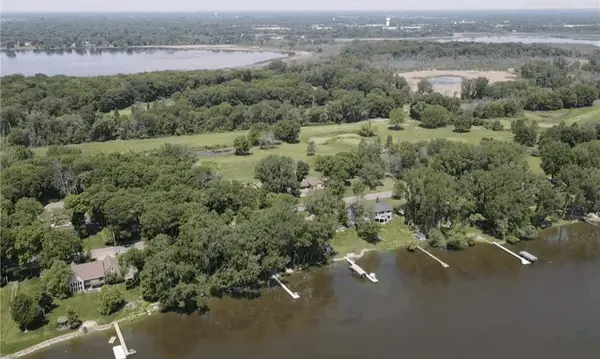
For buyers, this makes an in-person shoreline evaluation especially important. Look beyond photographs and consider the condition of the shoreline, vegetation around the dock, swimming access, water depth, erosion, retaining walls, and how easily people can move between the home and lake.
Conditions can also change throughout the growing season, which is one reason a waterfront property should not be judged solely from a single showing or listing photo.
Centerville Lake Waterfront Homes & Real Estate Considerations
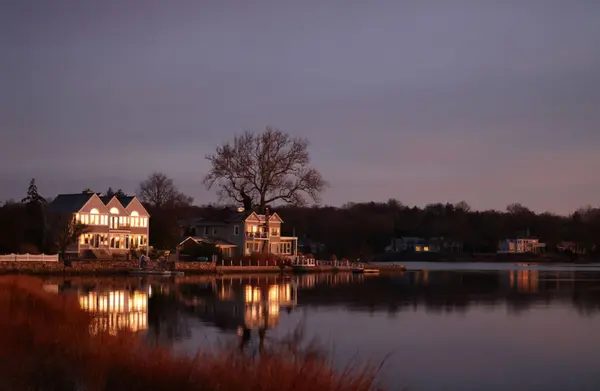
Waterfront homes on Centerville Lake should be evaluated differently from typical residential properties. The house matters, but so does the quality and functionality of the waterfront.
Shoreline quality, usable frontage, water depth, dock access, lake orientation, views, privacy, elevation, lot shape, outdoor living space, home condition, and future improvement potential can all affect how buyers perceive a property.
That means two Centerville Lake homes with similar square footage, bedroom counts, and interior finishes may still have considerably different market appeal. One property might offer easier swimming and boating access, while another may have stronger views, greater privacy, a larger lot, or more usable outdoor space.
Buyers should therefore compare both the house and the waterfront, rather than relying primarily on price per square foot.
Rice Creek Chain of Lakes Park Reserve & the Centerville Lifestyle
One of Centerville Lake's defining features is its relationship with the Rice Creek Chain of Lakes Park Reserve. The regional park system includes paved and natural-surface trails, Centerville Beach, a boat launch, campground facilities, playgrounds, picnic areas, fishing opportunities, nature areas, and connections throughout the larger park system.
For waterfront homeowners, that creates an outdoor lifestyle extending beyond their own shoreline. Residents can have convenient access to walking, biking, swimming, boating, fishing, camping, paddling, and natural areas within the immediate Centerville/Lino Lakes area.
Centerville's North Metro location also gives homeowners access to nearby communities including Lino Lakes, Hugo, White Bear Lake, and Forest Lake while remaining within commuting distance of the broader Twin Cities.
Centerville Lake vs. Peltier Lake vs. Reshanau Lake
Although Centerville Lake, Peltier Lake, and Reshanau Lake are geographically close, buyers should not treat them as interchangeable waterfront markets.
Centerville Lake
Centerville Lake offers public boat access, a public beach, fishing, boating, and extensive park amenities. Its most significant recent development is the completion of the 2026 alum project designed to substantially reduce internal phosphorus loading and improve water quality over the coming years.
Peltier Lake
Peltier Lake is larger at roughly 551 acres and has a maximum depth of approximately 18 feet. It is a relatively shallow lake with extensive littoral areas, aquatic vegetation, public access, fishing, and significant park connections. Peltier also has its own ongoing water-quality restoration story.
Reshanau Lake
Reshanau Lake provides a different environment. The Minnesota DNR reports that the lake has no public boat access, limited public shore fishing, periodic algae blooms, and a history of occasional winterkill. Its lack of public boat access may be attractive to buyers who value reduced outside boat traffic, while its recreational and water-quality characteristics should still be understood before purchasing.
For buyers comparing these lakes, the better question is not simply which lake is “best.” The important question is which combination of shoreline, water conditions, recreation, privacy, property characteristics, location, and price fits how the buyer actually intends to use the property.
What Buyers Should Verify Before Purchasing a Centerville Lake Home
Before purchasing a Centerville Lake property, buyers should evaluate the shoreline just as carefully as the house.
Water depth at the dock, aquatic vegetation, shoreline condition, swimming access, erosion, elevation, retaining walls, drainage, privacy, lake orientation, and the distance from the home to the water can all affect daily enjoyment and future resale.
Buyers should also verify lot boundaries, easements, utility service, flood information, permits, shoreline setbacks, existing improvements, dock rights, and what may or may not be allowed if they plan to remodel, expand, rebuild, or alter the waterfront.
Whenever practical, it is also worthwhile to visit the property at different times of day and experience the shoreline from the lake. Sunset exposure, wind, neighboring activity, boating traffic, vegetation, and water depth may not be apparent during a short showing.
What Sellers Should Know About Centerville Lake Waterfront Value
Selling a Centerville Lake home requires more than comparing square footage against nearby residential sales.
Waterfront buyers are evaluating the entire property experience. Shoreline usability, frontage, water depth, views, privacy, elevation, dock access, outdoor living areas, lot configuration, condition, orientation, and the relationship between the home and lake can all influence buyer interest.
Recent water-quality improvements are also an important part of Centerville Lake's current story. Sellers should present factual information about the lake and restoration work without promising future conditions or assuming that every property benefits in exactly the same way.
A strong waterfront pricing strategy compares both the structure and the underlying quality of the waterfront rather than treating all lake frontage as equivalent.
Frequently Asked Questions About Centerville Lake Waterfront Real Estate
Is Centerville Lake a recreational lake?
Yes. Centerville Lake is used for boating, fishing, swimming, paddling, kayaking and other lake recreation. Public boat access and Centerville Beach are located within the Rice Creek Chain of Lakes Regional Park Reserve.
How deep is Centerville Lake?How deep is Centerville Lake?
Centerville Lake reaches a maximum depth of approximately 19 feet. Much of the lake is shallower than its maximum depth, making individual shoreline and dock conditions important when evaluating waterfront property.
Does Centerville Lake have public boat access?
Yes. The public boat launch is located within the Rice Creek Chain of Lakes Regional Park Reserve operated by Anoka County.
What was the Centerville Lake alum treatment?
The Rice Creek Watershed District completed a two-phase alum treatment in 2026 to reduce phosphorus being released from lake-bottom sediments. Alum binds with phosphorus and limits the amount available to fuel algae growth.
Has Centerville Lake water quality improved?
Monitoring following the first phase of the alum project showed significant improvement. Rice Creek Watershed District reported that 2024 phosphorus levels were the lowest recorded since monitoring began in 1980, along with improved clarity and fewer significant algae blooms. The completed treatment is expected to provide water-quality benefits for approximately 15 to 20 years, although continued monitoring is necessary.
What affects the value of a Centerville Lake waterfront home?
Shoreline quality, usable frontage, water depth, dock access, views, orientation, privacy, elevation, lot usability, home condition, outdoor living areas, and future improvement potential can all affect buyer demand and property value.
How does Centerville Lake compare with Peltier Lake and Reshanau Lake?
The three lakes offer different waterfront environments. Centerville Lake has public access and recently completed a major water-quality restoration project. Peltier is larger and relatively shallow, while Reshanau has no public boat access. Buyers should evaluate each individual lake and property rather than assuming the three provide the same experience.
Thinking About Buying or Selling a Centerville Lake Waterfront Home?
Centerville Lake combines waterfront living, recreation, extensive park access, and an important ongoing water-quality story. But as with any waterfront property, shoreline conditions, water depth, orientation, lot characteristics, home condition, and future improvement potential can vary significantly from one property to another.
If you're considering buying or selling a home on Centerville Lake, I can help you evaluate both the property and the waterfront so you can make a more informed real estate decision.
EXPLORE FOREST LAKE & NORTH METRO WATERFRONT REAL ESTATE →
Recent Posts