
Living in Lindstrom & the Chisago Lakes Area, MN: Real Estate, Lakes & Local Guide
Updated September 2026 | By Clint Abel, REAL Broker
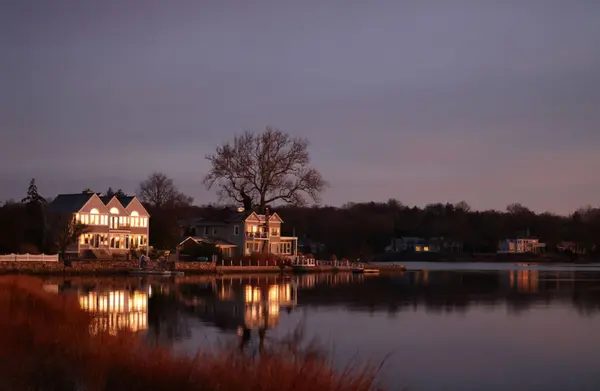
Lindstrom and the surrounding Chisago Lakes area offer something different from many Twin Cities suburbs: instead of one lake defining one community, water is woven throughout the entire region. North Lindstrom Lake, South Lindstrom Lake, Chisago Lake, North Center Lake, South Center Lake, Green Lake and numerous smaller lakes create a collection of waterfront neighborhoods, recreational opportunities and very different types of lake property.
For buyers, that variety is appealing—but it also makes understanding the area more important. Two homes located only a few miles apart can provide completely different waterfront experiences depending on the lake, shoreline, water depth, lake access, lot elevation, utilities, boating connections and surrounding development.
I’m Clint Abel, a REAL Broker real estate agent based in Forest Lake who works throughout Forest Lake, Lindstrom, Chisago City and the North Metro lake communities. My goal with this guide is not simply to tell you that Chisago Lakes is a beautiful place to live. It is to help you understand how the area is organized, how the lakes differ and what actually matters when evaluating real estate here.
Living in Lindstrom and the Chisago Lakes Area
he Chisago Lakes area stretches along the Highway 8 corridor northeast of the Twin Cities and includes Lindstrom, Chisago City, Center City, Shafer, Taylors Falls, Almelund and surrounding rural lake country. While each community has its own identity, the lakes, Swedish heritage, historic downtowns and outdoor lifestyle connect the region.
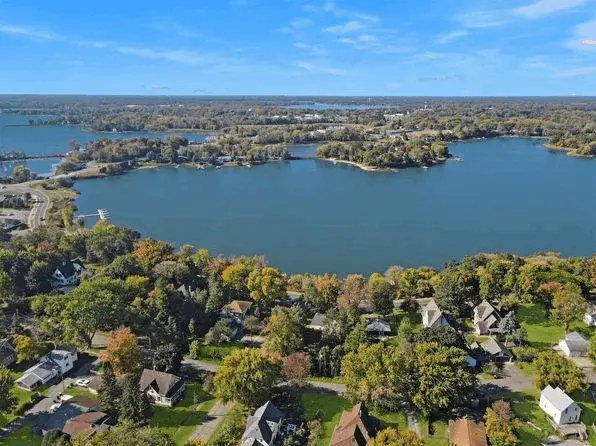
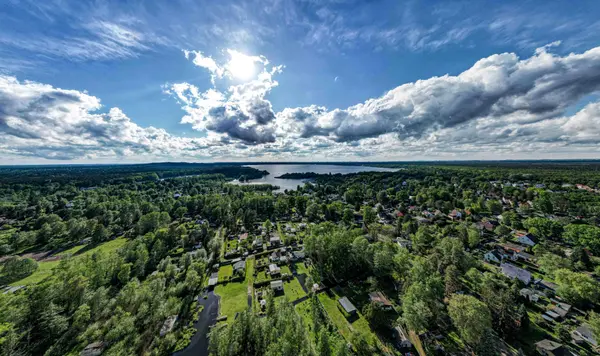
Lindstrom sits near the heart of that lake system. The city is surrounded by water to the point that its geography can almost feel like an island when viewed from above. North and South Lindstrom Lakes sit immediately around the community, while North and South Center Lakes, Chisago Lake and numerous smaller lakes are only minutes away.
The result is a lifestyle that can appeal to buyers who want access to water without necessarily living in a traditional large suburban environment. Housing ranges from older in-town homes and established neighborhoods to acreage, new construction, renovated cabins and high-value waterfront properties.
For waterfront buyers in particular, however, the word “Chisago Lakes” should never be treated as though it describes one single real estate market. Each lake—and sometimes each section of shoreline on the same lake—needs to be evaluated individually.
The Lakes That Define the Chisago Lakes Area
The broader Chisago Lakes watershed contains many lakes, but several are particularly important when discussing residential waterfront real estate around Lindstrom, Chisago City and Center City.
These lakes should not be treated as interchangeable. Size, depth, shoreline development, vegetation, access, lake connections and recreation can vary considerably.
What Makes the Chisago Lakes Area Unique
The water itself is the defining feature, but the area has more identity than simply having a large number of lakes.
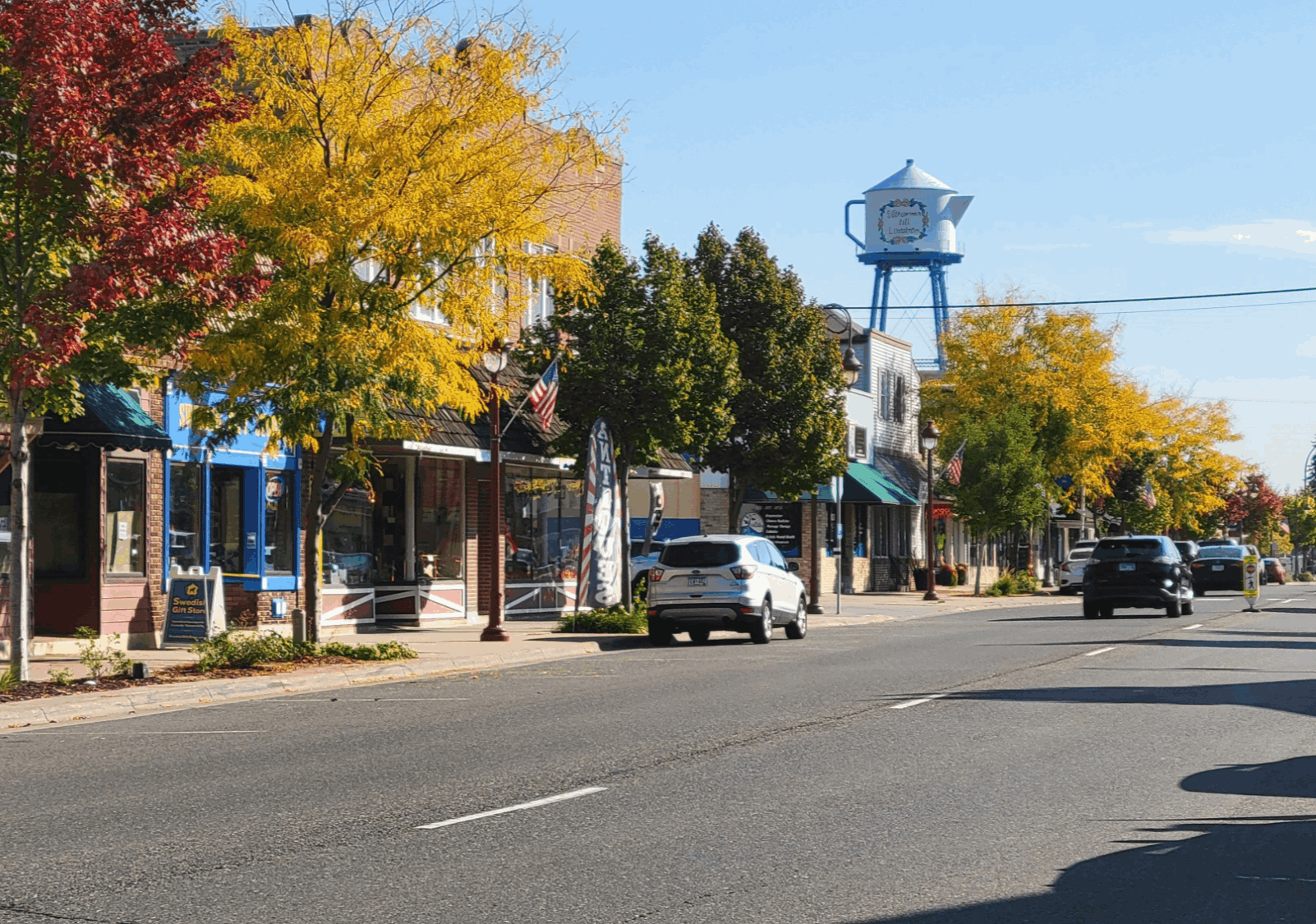
Lindstrom is known as “America’s Little Sweden,” reflecting the Swedish immigrants who settled the area beginning in the 1850s. That history remains visible in the community today through its downtown character, public art, landmarks, festivals and the iconic coffee-pot water tower.
The surrounding Chisago Lakes communities share much of that heritage while maintaining their own identities. Chisago City serves as a western gateway into the lake area. Center City sits dramatically between North and South Center Lakes. Continue east and the landscape gradually changes again toward Shafer, Taylors Falls and the St. Croix River Valley.
For people relocating from the Twin Cities, this creates an interesting combination: lake-country atmosphere and smaller communities without being completely disconnected from the metropolitan area.
But from a real estate standpoint, the most unusual feature is the concentration and diversity of lakes. Buyers aren't choosing only between neighborhoods. They may also be choosing between different waterfront environments.
North Lindstrom Lake
North Lindstrom Lake sits directly north of Highway 8 and wraps around the north side of Lindstrom. Compared with some of the larger lakes in the region, it can feel more contained and residential.
One of its most interesting features is its connection to South Lindstrom Lake through the channel beneath Highway 8. That gives some waterfront owners access to more than the water immediately outside their property.
For real estate buyers, North Lindstrom deserves property-by-property evaluation. Shoreline conditions, vegetation, depth near the dock, elevation and accessibility can vary around the lake. A lake connection on a map also does not automatically mean every type or size of boat can move through every channel under every water condition.
When we build the dedicated North Lindstrom Lake Waterfront Guide, we will go much deeper into shoreline, access, boating, lake conditions and property characteristics.
South Lindstrom Lake
South Lindstrom Lake is approximately 455 acres and sits immediately alongside Lindstrom. It is one of the lakes most closely tied to the community itself, including public waterfront access at Lindstrom Beach Park.
Its location gives it a different feel from an isolated recreational lake. Waterfront residents can have lake access while remaining very close to downtown Lindstrom, Highway 8 and community amenities.
South Lindstrom is also an important part of the connected lake system. A channel links it northward to North Lindstrom Lake, while its western side connects with Chisago Lake.
For buyers, those connections add another dimension to evaluating a property. Water depth near the shoreline, boat size, channel clearance, seasonal water conditions and no-wake areas can all influence how useful those connections are in practice.
Chisago Lake
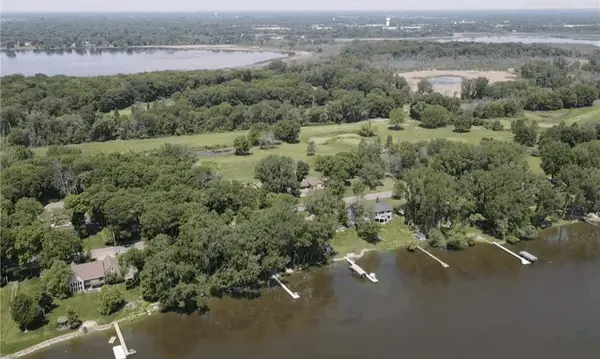
At roughly 944 acres, Chisago Lake is one of the larger water bodies in this immediate portion of the Chisago Lakes system. Its irregular shoreline includes numerous bays, points and inlets, creating waterfront settings that can feel surprisingly different even on the same lake.
Chisago Lake connects to South Lindstrom Lake and provides another significant recreational component to the system.
From a real estate perspective, its varied shoreline is especially important. One property may have relatively open water and broad views, while another may sit within a protected bay with different vegetation, water depth or boating characteristics.
That is why waterfront comparisons should go beyond looking at acreage, finished square footage and recent sales. The actual position on the lake can materially affect how buyers experience—and value—the property.
North Center Lake
North Center Lake sits between Lindstrom and Center City and covers roughly 749 acres. It reaches approximately 46 feet at its deepest point.
The lake is connected to South Center Lake and is also part of the water system extending toward North Lindstrom Lake.
North Center combines developed residential shoreline with areas that retain a more natural character. Allemansrätt Park also borders part of the lake, adding wooded parkland, trails and recreation to the surrounding environment.
For buyers, North Center can provide a different experience from the Lindstrom and Chisago basins. Property orientation, shoreline exposure, lake access and proximity to protected or recreational land should all be considered when comparing homes.
South Center Lake
South Center Lake stands out because of its depth.
At approximately 835 acres and a maximum depth of about 109 feet, it is significantly deeper than many surrounding Chisago Lakes. The Minnesota DNR describes the lake as having deep holes and sharp breaks along with large shallow flats where aquatic vegetation can be abundant.
South Center connects with North Center Lake through a navigable channel.
The combination of deep water, shallow flats, bays and developed shoreline makes this a lake where buyers should avoid making assumptions based only on lake-wide statistics. The physical characteristics in front of an individual property may differ considerably depending on location.
Green Lake
Green Lake provides another distinctly different waterfront option around Chisago City.
At approximately 1,809 acres, it is the largest lake in the immediate Chisago Lakes area and reaches about 32 feet at maximum depth. Its size creates more open-water exposure than many of the smaller basins, while bays, islands and different shoreline environments create variety around the lake.
Green Lake is connected to Little Green Lake, and the broader Chisago Lakes water-management system also links water movement between Chisago Lake and Green Lake. That does not mean buyers should assume unrestricted boat navigation throughout every part of the broader lake system.
Green Lake has an established residential shoreline and continues to include everything from older lake homes and cabins to heavily renovated properties and newer waterfront construction.
Because Green Lake already has its own guide on my site, buyers interested specifically in that market can explore it in more detail there.
How the Chisago Lakes Are Connected
Chisago Lakes Water Trail Page
Understanding the lake connections is one of the most interesting parts of the Chisago Lakes area—and one of the easiest things to oversimplify.
Historically, several of today's separate basins were part of a larger connected body of water. Transportation infrastructure and changes to the channels later divided parts of the system. Over time, some connections were reestablished.
Today, the system includes connections involving:
- South Center Lake and North Center Lake
- North Center Lake and North Lindstrom Lake
- North Lindstrom Lake and South Lindstrom Lake
- South Lindstrom Lake and Chisago Lake
Green Lake and Little Green Lake also have their own channel connection, while channels, ditches and weirs help manage water movement throughout the broader watershed.
That does not mean every lake should be marketed as though it offers unrestricted boating throughout the entire chain.
Channel depth, bridge clearance, water levels, boat size and local no-wake regulations can affect navigation. Kayaks or smaller boats may be able to use a connection that is impractical for a larger motorized boat.
If access to multiple lakes is important to you, verify that the route works for the specific watercraft you intend to use rather than relying solely on a listing description saying a property is located on a “connected lake.”
Waterfront Real Estate in Lindstrom and Chisago Lakes
A waterfront property should not be evaluated like the same house located two blocks inland.
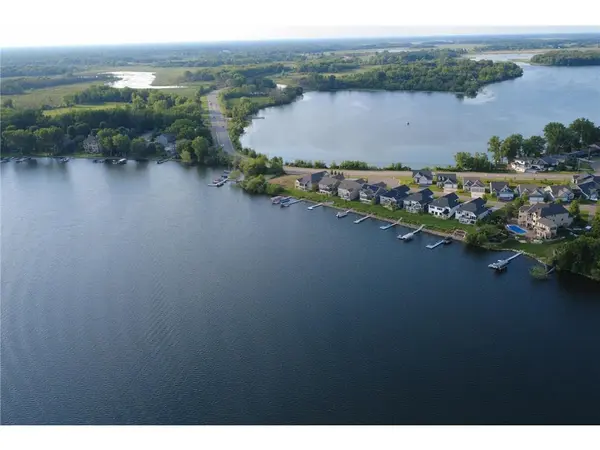
The home still matters, but on the water you are also buying a shoreline, a view, water access, elevation, orientation, dock location and a finite piece of land that cannot simply be recreated somewhere else.
That means two homes with similar square footage, bedroom count and condition can have dramatically different buyer appeal.
When I evaluate waterfront real estate around Lindstrom and Chisago Lakes, I want to understand both sides of the property:
Shoreline and Lake-Bottom Conditions
Shoreline quality is one of the most misunderstood parts of buying lake property.
Buyers often use words such as sandy, rocky or mucky as though an entire lake has one uniform bottom. In reality, near-shore substrate can change significantly around the same lake.
A property can have:
- firm sand or gravel
- mixed sand and vegetation
- rock or rubble
- soft organic sediment or muck
- dense aquatic vegetation
- a gradual swimming area
- a sharp drop into deeper water
Those differences affect swimming, walking into the lake, dock placement, boat access and buyer perception.
For that reason, I do not believe in labeling an entire lake's shoreline based on one beach, one listing or local hearsay. Where reliable DNR or watershed information exists, I use it. Otherwise, shoreline conditions should be verified at the individual property.
Ideally, buyers should evaluate waterfront in season whenever possible, walk the shoreline, look at aerial imagery, review bathymetry and ask questions about vegetation and dock depth.
That information can matter just as much as the kitchen countertops.
Check Current Lake Water Quality
Want to research the lake yourself? The University of Minnesota's Minnesota LakeBrowser provides interactive data for Minnesota lakes, including water clarity, chlorophyll levels, historical trends and surrounding land-cover information.
Explore Minnesota LakeBrowser →
Water conditions can change by season and year, so current data should be considered alongside DNR information, watershed reports and observations at the individual property.
Water Depth, Boat Access and Lake Connections
The lake's maximum depth tells you surprisingly little about the water immediately in front of a home.
A 30-foot-deep lake can still have extremely shallow shoreline. Another property on the same lake may reach usable boating depth within a short distance of shore.
Before buying, consider:
- approximate depth at the end of the dock
- how quickly the lake drops off
- vegetation around the dock
- typical seasonal water-level changes
- boat-lift requirements
- channel restrictions
- bridge clearance
- no-wake areas
- whether the intended boat can realistically use lake connections
For serious boaters, these factors can materially affect whether the property fits the lifestyle they expect.
Docks, Public Access and Waterfront Use
Public access can affect how a lake is used.
Some buyers like having convenient launch access nearby. Others place more value on lakes with limited outside boat traffic. Neither is automatically better—it depends on how you intend to use the property.
Buyers should also understand that owning shoreline does not give unlimited freedom to alter it. Dock use, aquatic vegetation removal, shoreline alteration and work below the ordinary high water level may fall under state or local regulations.
If a buyer has specific plans, such as substantial shoreline work, a major retaining wall project or redevelopment—it is much better to understand the rules before purchasing than after closing.
Septic, Wells, Utilities and Property Improvements
Not every waterfront property around Lindstrom and Chisago Lakes has the same utility setup.
Depending on location, buyers may encounter municipal sewer and water, private wells, septic systems or combinations that differ from nearby properties.
This becomes especially important when considering an older cabin, major addition or teardown.
Chisago County has shoreland and septic requirements that can affect property improvements, and septic compliance can become particularly important during a sale. Properties within incorporated cities may also fall under city-specific requirements.
Before assuming an older lake home can simply be expanded or replaced, investigate:
- septic status and capacity
- well location
- sewer and water availability
- shoreland setbacks
- bluff or slope restrictions
- impervious-surface limitations
- lot width
- ordinary high water level
- existing structure location
- permits for previous improvements
Sometimes the value of a waterfront property is determined as much by what can legally be done with the lot as by the house currently sitting on it.
Types of Homes You'll Find Around the Chisago Lakes
One of the attractions of this market is that there isn't one standard Chisago Lakes house.
Around Lindstrom, Chisago City and Center City you'll find a mixture of:
- older seasonal cabins
- modest year-round lake homes
- mid-century waterfront properties
- renovated cottages
- larger custom homes
- newer lakefront construction
- non-waterfront homes with nearby lake access
- established in-town neighborhoods
- townhomes and villas
- acreage and rural properties outside the cities
That diversity creates opportunity, but it can also make pricing more complicated.
An older cabin on an exceptional waterfront lot may have significant land or redevelopment value. A beautifully remodeled home may command attention even if the lot is smaller. A large house with compromised shoreline may appeal to a completely different buyer pool.
The more unusual the waterfront property becomes, the less useful a simple price-per-square-foot comparison becomes.
Living in Lindstrom
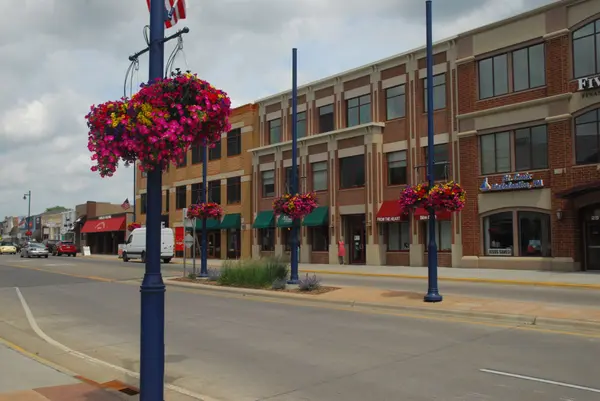
Lindstrom gives buyers something many lake communities cannot: water and a recognizable downtown in the same small community.
The Swedish identity isn't only historical branding. It remains part of the city's streetscape, landmarks, festivals and overall character. The downtown area provides restaurants, shops and community services, while lakes surround much of the city.
For buyers who want waterfront living without feeling completely isolated from town, that combination can be appealing.
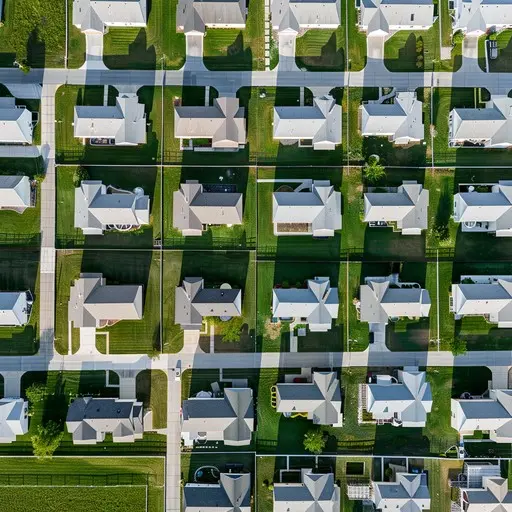
There is also considerable variety within Lindstrom itself. Someone could live directly on one of the major lakes, several blocks from the water in an established neighborhood, in newer housing or farther outside town where the landscape becomes more rural.
That makes “living in Lindstrom” a broader decision than simply deciding whether you want a lake home.
Chisago City and Center City
Heading west from Lindstrom brings you into Chisago City, where Chisago Lake, Green Lake, Little Green and smaller surrounding lakes shape much of the local landscape.
Chisago City's waterfront market can therefore look very different depending on which lake a buyer is considering. Green Lake offers a significantly larger body of water and more open-water exposure, while Chisago Lake belongs more directly to the connected Lindstrom/Chisago system.
Center City sits farther east between North Center and South Center Lakes. Its setting is distinct: water on both sides of Highway 8, hillside properties, historic homes and lake views all contribute to its identity.
Together, Lindstrom, Chisago City and Center City form the heart of the residential lake market most buyers mean when they talk about Chisago Lakes real estate.
Buying a Waterfront Home in the Chisago Lakes Area
The biggest mistake a waterfront buyer can make is falling in love with the house before understanding the lot and lake.
Before making an offer, I recommend evaluating the property through several different lenses.
Start with the waterfront itself. What is the shoreline like? How deep is the water near the dock? Is swimming practical? Is there heavy vegetation? How steep is the walk from the house to the water?
Then evaluate recreation. If boating matters, where is the public access? Can your boat use the channel? Are there bridge or depth restrictions? If you primarily paddle, fish or swim, a completely different lake may fit you better.
Then investigate the property. Are there easements? Is the septic compliant? Is there municipal sewer? Where are the property lines? What improvements would require permits? Could the home realistically be remodeled or replaced?
Finally, think about resale.
You may be willing to compromise on the shoreline because you love the house. The next buyer may not. Understanding which property characteristics are difficult—or impossible—to change helps protect both your enjoyment and your long-term investment.
Selling a Waterfront Home in the Chisago Lakes Area
Waterfront sellers face almost the opposite challenge.
A traditional real estate marketing strategy may focus heavily on bedrooms, bathrooms, finished square footage and recent comparable sales.
Those things still matter. But a lake buyer wants to know much more.
A strong waterfront marketing strategy should help a buyer understand:
- what lake the property is on
- usable shoreline frontage
- dock and water access
- approximate water depth near shore
- views and orientation
- elevation from the house to the lake
- recreational characteristics
- lake connections
- privacy
- lot usability
- septic or sewer situation
- remodeling or redevelopment potential
- nearby parks, trails and community amenities
The goal isn't to exaggerate the lake.
It is to explain the waterfront accurately enough that the right buyer understands what makes that particular property valuable.
That becomes especially important in Chisago Lakes because a buyer may be comparing homes across several different lakes. Good marketing should help them understand why this shoreline, this position on the lake and this property are different from the alternatives.
Chisago Lakes vs. Forest Lake
Buyers looking north of the Twin Cities often consider both Forest Lake and Chisago Lakes, but the two areas provide noticeably different lake environments.
Forest Lake revolves around one large lake made up of three connected basins—1st, 2nd and 3rd Lake—along with a larger city built around it and direct access to Interstate 35.
Chisago Lakes is more dispersed. Instead of one dominant lake, multiple lakes and smaller communities extend along the Highway 8 corridor. North and South Lindstrom, Chisago, North and South Center, Green Lake and other nearby waters each create their own waterfront micro-markets.
Neither structure is inherently better.
A buyer who prioritizes access to I-35, one large connected recreational lake and the amenities of Forest Lake may lean one direction.
Someone who likes smaller communities, multiple lake choices, Swedish heritage and the Highway 8/St. Croix Valley setting may prefer Chisago Lakes.
The more important question is:
What kind of waterfront experience do you actually want?
That's eventually worth its own complete comparison, because deciding between Forest Lake and Chisago Lakes requires looking beyond home prices and comparing the lakes, communities, recreation, commute patterns and types of property available.
Chisago Lakes Real Estate FAQ
What communities are considered part of the Chisago Lakes area?
Chisago Lakes generally refers to the communities and lake country along the Highway 8 corridor including Chisago City, Lindstrom, Center City, Shafer, Taylors Falls, Almelund and surrounding rural areas. For residential waterfront real estate, Lindstrom, Chisago City and Center City contain many of the area's most recognizable lake markets.
Are the Chisago Lakes connected?
Several are. North and South Center Lakes are connected, North Center connects toward North Lindstrom, North and South Lindstrom are connected, and South Lindstrom connects with Chisago Lake. Green and Little Green also have a channel connection. Buyers should not assume every connection is suitable for every boat, because water levels, channel depth and clearance can matter.
Which is the largest lake around Chisago City and Lindstrom?
Green Lake is the largest of the major lakes discussed in this guide at approximately 1,809 acres. Chisago Lake, North and South Center Lakes, and North and South Lindstrom Lakes offer different sizes, depths and recreational environments.
Which Chisago Lakes lake is the deepest?
South Center Lake reaches approximately 109 feet and is considerably deeper than most of the surrounding lakes.
Do all homes on the same lake have similar shoreline?
No. Shoreline and near-shore conditions can vary substantially around one lake. Buyers should evaluate the individual property's bottom conditions, vegetation, water depth, slope, dock access and swimming usability rather than assuming a lake has one uniform shoreline type.
What should I inspect before buying a Chisago Lakes waterfront home?
In addition to a standard home inspection, investigate shoreline condition, water depth, dock access, erosion, drainage, septic or sewer status, well condition if applicable, easements, property boundaries, shoreland restrictions and permits affecting future improvements.
Is waterfront property valued differently from a regular home?
Yes. The house still matters, but waterfront value can also be strongly influenced by frontage, shoreline quality, water depth, views, elevation, orientation, privacy, lot usability, boating access and redevelopment potential. Two similar homes can therefore sell at very different prices.
Should I choose Forest Lake or Chisago Lakes for a waterfront home?
It depends on how you want to use the property. Forest Lake offers one large three-basin lake around a larger North Metro community and I-35 access. Chisago Lakes offers multiple distinct lakes spread across smaller communities along Highway 8. Comparing shoreline, boating, community character, commute needs and the specific property is more useful than choosing based only on the name of the lake.
Explore More North Metro Lake Guides
Waterfront real estate changes dramatically from lake to lake. If you're researching lake homes north of the Twin Cities, these guides can help you compare different markets and understand the details that don't always show up in a listing description.
Explore:
Forest Lake & North Metro Waterfront Real Estate Hub
Your starting point for waterfront buying, selling, shoreline evaluation and North Metro lake-market information.
Forest Lake 1st Lake vs. 2nd Lake vs. 3rd Lake Guide
Understand the differences between Forest Lake's three connected basins.
Green Lake, Chisago Guide
Explore one of the area's largest recreational lakes and its evolving waterfront housing market.
Peltier Lake & Centerville Waterfront Guide
Learn about Peltier Lake's shoreline, shallow-water characteristics, recreation and waterfront real estate.
Thinking About Buying or Selling in Lindstrom or Chisago Lakes?
A lake home is more than a house with water behind it.
The shoreline, water depth, elevation, exposure, lake access, lot characteristics, utilities and future possibilities can have a major impact on how a property functions—and how the market values it.
If you're considering buying or selling waterfront property in Lindstrom, Chisago City, Center City, Forest Lake or the surrounding North Metro lake communities, I can help you evaluate both sides of the property: the home and the waterfront.
My approach is education first. The goal is to understand the property clearly, identify issues before they become surprises and make a real estate decision that fits both your lifestyle and your long-term plans.
Clint Abel | REAL Broker
Forest Lake & North Metro Waterfront Real Estate
612-812-9808
Recent Posts