
Is Forest Lake, MN a Good Place to Live? 15 Things to Know Before Moving Here
Is Forest Lake, MN a Good Place to Live? 15 Things to Know Before Moving Here
Short answer: Yes, for the right buyer. Forest Lake is a good place to live if you want lake access, strong schools, and small-town space within commuting distance of the Twin Cities. It's a tougher fit if you need a short commute, a walkable downtown with big-city amenities, or the lowest price point in the metro. Here's the honest, detailed breakdown, not just the highlight reel.
I'm Clint Abel, a REAL Broker agent based in Forest Lake who specializes in lakefront and waterfront property across the North Metro Lakes area. I get some version of this question every week from people relocating from the Cities, from out of state, or moving up from a starter home in a denser suburb. This is the answer I actually give them, including the parts that don't make it into most "why you should move here" blog posts.
- Lifestyle: Small-Town Pace, Not a Sleepy Town
Forest Lake runs about 20,800 residents inside city limits, but it functions as the hub for a much larger area. Scandia, Wyoming, Columbus, Lino Lakes, and Chisago County all orbit around it for shopping, schools, and services. You get small-town pace (people wave, high school sports matter, the hardware store owner knows your name) without total isolation. It's not a bedroom community that empties out during the day. There's a real local economy here.
- Lake Access: The City's Actual Namesake Lake Is a Big Deal
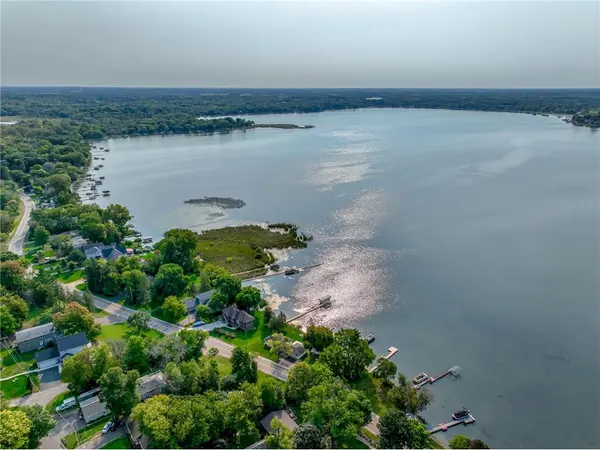
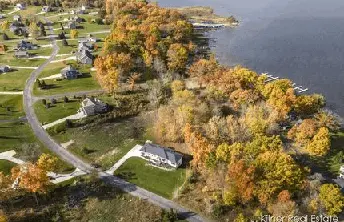
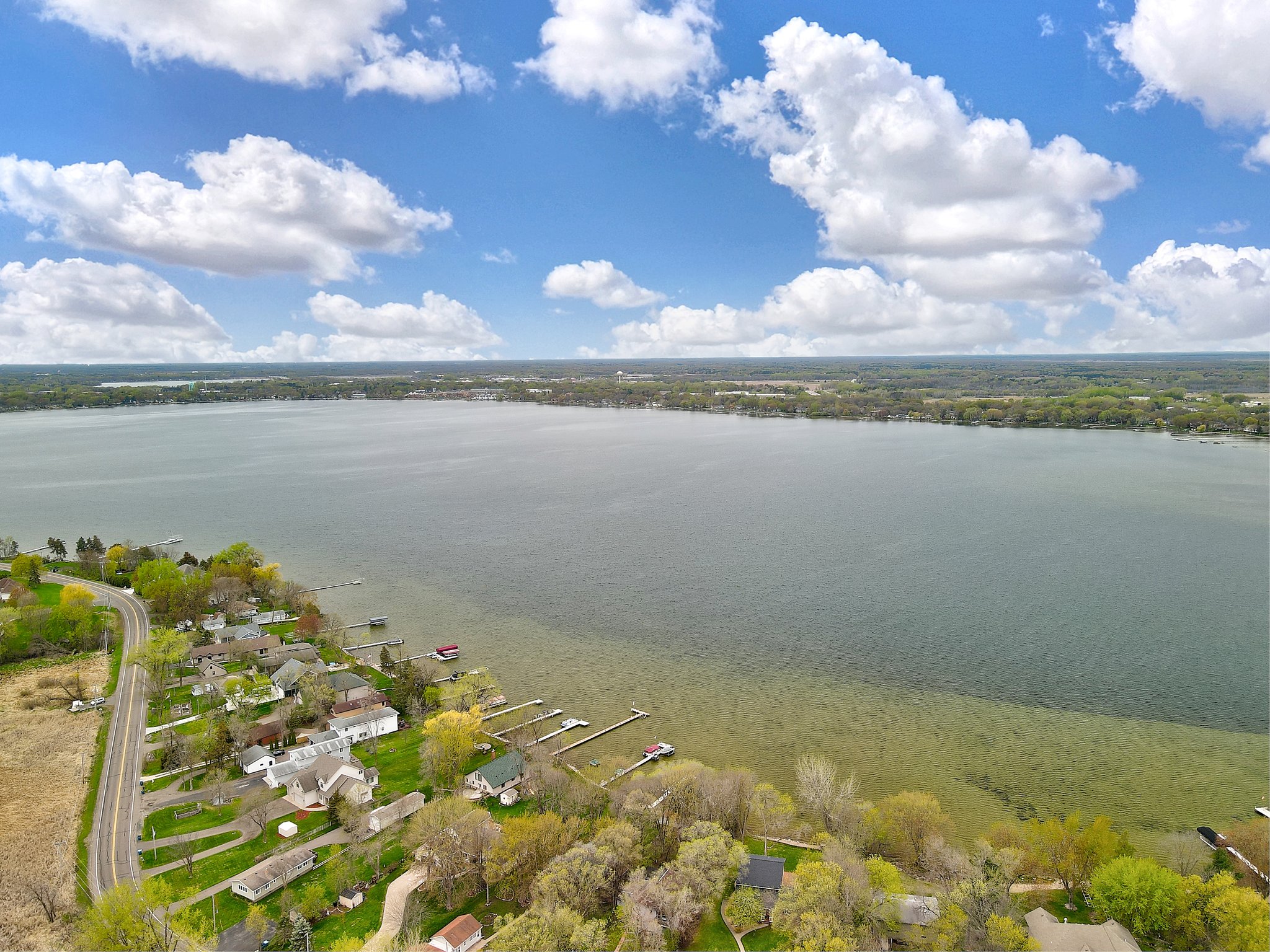
Forest Lake, the lake, sits right in the middle of town at roughly 2,251 acres, and it's one of the larger, more heavily used recreational lakes in the northeast metro. There are multiple public accesses, a swimming beach, and a lake association that's active on water quality. This isn't a "lake town" in name only. The lake shapes the layout of the city, the summer traffic patterns, and a good chunk of the local economy, including marinas, bait shops, and lake-adjacent restaurants. Beyond Forest Lake itself, you're minutes from the Chisago Lakes Chain and the St. Croix Valley if you want more remote water.
- Housing: Mostly Single-Family, More Variety Than People Expect
The housing stock is a mix of 1970s to 1990s single-family neighborhoods, newer construction on the outer edges of town, some townhome and condo product near downtown and along the Highway 61 corridor, and acreage or hobby-farm parcels once you get outside the city core. What Forest Lake does not have much of is high-density apartment living or historic urban housing stock. If you want a walkable brownstone neighborhood, this isn't it. If you want a house with a yard, or water, this is a strong option.
- Home Prices: Where Things Actually Stand
As of mid-2026, the median list price for single-family homes in Forest Lake has generally been running in the low to mid $400,000s, with the broade
r "typical home value" (a smoothed, seasonally adjusted figure) closer to the high $300,000s to low $400,000s depending on the data source and month. Per-square-foot pricing has been in the $190 to $215 range. Waterfront changes the math substantially. Active lakeshore listings on Forest Lake itself have ranged from under $200,000 for smaller cottage-style properties up to several million for larger estate lots, with an average well north of $1,000,000 for true lakefront.
The takeaway: Forest Lake is priced modestly above the national average for a non-waterfront home, but it is not a bargain market compared to some outer-ring suburbs. You're paying a premium for the lake, the schools, and the location. This is a market where pricing strategy matters, so if you're buying or selling here, get a current comparable analysis rather than relying on a Zestimate or a number you saw six months ago.
- Taxes: This Is One of the Genuine Advantages
Forest Lake sits in Washington County, which consistently runs one of the lower effective property tax rates in the Twin Cities metro, commonly cited around 0.95%, compared to well over 1% in Ramsey or Hennepin County for comparable homes. On a $450,000 home, that difference versus a higher-tax county can run well over a thousand dollars a year, and it compounds over time as values rise. Keep in mind that a portion of Forest Lake actually extends into Anoka and Chisago counties depending on the parcel, so it's worth confirming which county a specific property falls in before you assume the rate.
- Schools: The District Is Bigger Than People Realize
Forest Lake is served by Independent School District 831, also known as Forest Lake Area Schools, which is geographically the largest school district in the Twin Cities region at about 220 square miles, covering Forest Lake, Scandia, Columbus, Wyoming, Lino Lakes, Ham Lake, and more. It's a K-12 district of roughly 7,000 students with 500+ teachers, competes in the Suburban East Conference, and has a strong track record of teacher advancement, with a large share of staff holding master's degrees. Because the district is so large, which elementary school your kids attend depends heavily on your specific address. This is one of the most common things I help buyers with, because two homes a mile apart can feed into different schools.
- Commuting: The Honest Trade-Off
Forest Lake is roughly 27 to 29 miles from downtown St. Paul and Minneapolis, sitting right along I-35W/35E. On a clean day that's a 35 to 45 minute commute. During rush hour, especially southbound in the morning and northbound in the evening, it can stretch to 55 to 70 minutes. There's no light rail or express bus option into the core cities from Forest Lake. If your job is fully downtown and you need a short, predictable commute, this is the tradeoff you're making for the lake lifestyle and lower density. If you're hybrid, remote, or work in the north metro corridor, whether that's Blaine, Maple Grove-adjacent industry, or locally, the commute concern mostly disappears.
- Restaurants: Solid, Growing, Not a Foodie Destination Yet
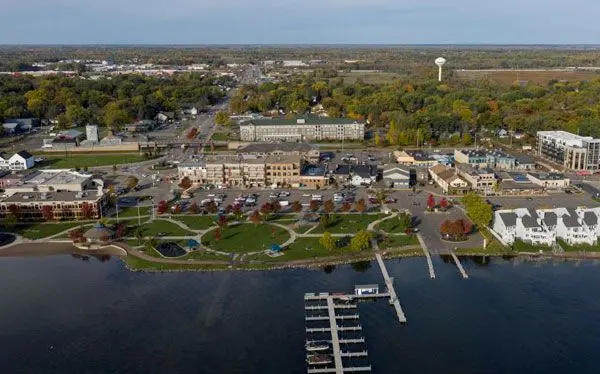
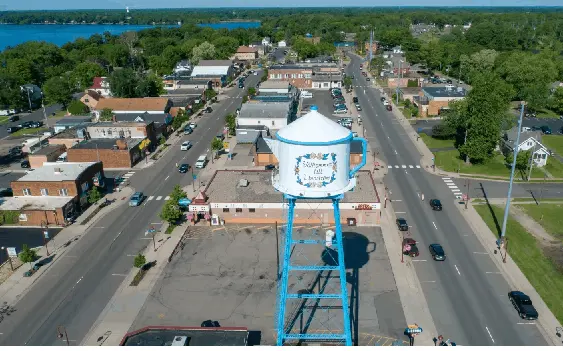
Downtown Forest Lake and the Highway 61/Broadway corridor have a decent and growing mix of local restaurants, breweries, and lake-view dining, plus the usual suburban chain options along the highway. It's not a culinary destination the way parts of Minneapolis or Stillwater are, but it's improved noticeably in the last several years as the population has grown, and you're a short drive from Stillwater's restaurant scene if you want more variety on a given night.
- Parks: Genuinely Strong for a City This Size
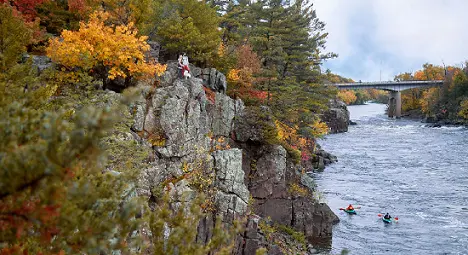
Forest Lake punches above its weight on parks and trails, with public swimming beaches, boat launches, a network of city parks, and connections to regional trail systems. Between the lake access points and the park system, outdoor recreation is baked into daily life here rather than being something you drive 40 minutes for.
- Recreation: Water in Summer, Everything Else Year-Round
Boating, fishing, and watersports dominate the warm months. This is a legitimate fishing lake, and I get a lot of questions from buyers about forward-facing sonar and where the good structure is, which tells you something about how seriously people here take it. Youth sports like baseball, hockey, and gymnastics are well organized and well attended, so if you have kids, you'll find a program. Golf, hiking, and biking round things out in the shoulder seasons.
- Winter: Don't Skip This Section
This is Minnesota, 30 minutes north of the Cities, which means winters are real: sub-zero stretches, lake-effect snow bands, and a season that runs roughly November through March. On the upside, winter here isn't a downside so much as a different lifestyle mode. Ice fishing, snowmobiling, and hockey turn the same lake that's full of boats in July into a winter recreation hub. If you've never lived somewhere with a real winter, budget for it. Block heaters, good tires, and a plan for driveway snow removal aren't optional.
- Neighborhoods: It's Not One Homogeneous Area
Forest Lake covers a lot of ground with real differences inside it. There are close-in neighborhoods near downtown and the lake with older, smaller lots and walkability to shops, newer development on the north and west sides with larger lots and more recent construction, and township-style acreage properties as you move toward Scandia and Columbus, where you trade proximity for space, privacy, and often a well and septic system instead of city utilities. Which one fits you depends heavily on lifestyle priorities. This is a conversation worth having before you start touring, not after.
- Lakefront Living: What People Don't Tell You
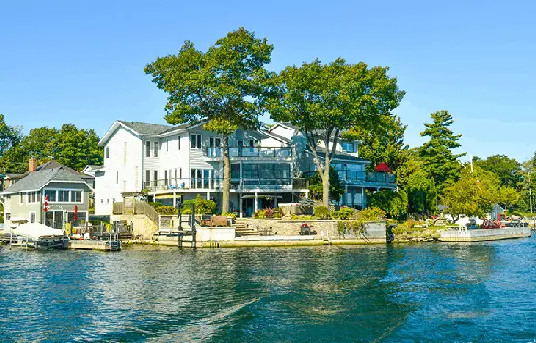
Lakefront property here comes with real responsibilities most buyers underestimate: DNR shoreline and setback rules, riparian rights that affect what you can and can't build or alter near the water, dock permitting, and often different insurance and financing considerations than a standard inland home. Lakeshore also depreciates unevenly. Not all frontage is equal, and factors like water depth, shoreline type, sun exposure, and proximity to public accesses materially affect both livability and resale value. This is the area where I spend the most time educating buyers, because a beautiful view doesn't tell you whether the lot complies with current shoreline regulations or whether you can actually build the dock or addition you're picturing.
- New Construction: Available, but Land Is Tightening
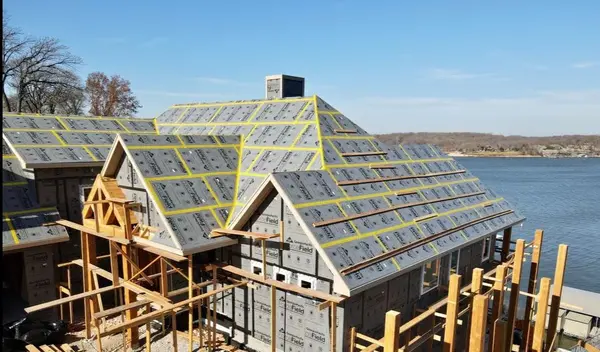
There's active new construction in and around Forest Lake, particularly on the outer edges of the city and in adjacent townships, but buildable lots, especially anything with acreage or water, are getting harder to find and more expensive as the area fills in. Builders are also increasingly working through annexation, wetland delineation, and city approval processes on larger parcels rather than simple infill lots, which affects both timelines and pricing on new-build product. If new construction is the plan, expect a longer runway than in a market with abundant flat, shovel-ready land.
- Who Forest Lake Is Best Suited For
Based on what I actually see close, Forest Lake works best for families who want strong schools and space without paying Stillwater or western-suburb prices, for buyers who genuinely want to use a lake rather than just look at one, for hybrid or remote workers who don't need a downtown commute five days a week, and for move-up buyers leaving a denser inner-ring suburb who want a bigger lot and a slower pace. It's a weaker fit for anyone who needs a sub-25-minute downtown commute, wants dense walkable urban living, or is shopping strictly on lowest price per square foot in the metro.
The Honest Downsides
Every one of these gets glossed over in most "moving to Forest Lake" content. They shouldn't be.
The commute is real, not theoretical. Thirty miles sounds short until you've sat in it at 7:40 AM on a Tuesday in February. If your job requires a fixed downtown schedule, budget an hour each way during peak season.
Winter isn't charming every day. Ice dams, driveway plowing costs, and a genuine cold snap that can last a week or more are part of ownership here, not an occasional inconvenience.
Lakefront comes with regulatory strings attached. DNR shoreline rules and setback requirements can limit what you're able to build, remove, or modify, and they change. Don't assume the seller's dock, retaining wall, or tree clearing is grandfathered or compliant. Verify it.
It's not the cheapest option in the north metro. Communities further out, like parts of Chisago County or North Branch, offer more land and lower prices if budget is the primary driver. Forest Lake's premium buys location and lake access, not the lowest cost per acre.
Dining and retail variety still trail larger suburbs. It's improved, but if you want big-city restaurant density on a weeknight, you're driving to Stillwater or into the Cities.
School boundaries within the district vary by exact address, and because ISD 831 covers such a large geographic area, two similarly priced homes can land in noticeably different elementary attendance zones. This needs to be checked property by property, not assumed.
Not every "lake view" listing has real usable lake access. Some properties market lake proximity without deeded access or usable frontage. This is one of the more common ways buyers get surprised after closing.
Bottom Line
Forest Lake is a good place to live if your priorities line up with what it actually offers: lake access, real recreation, strong schools, lower property taxes than the core metro, and small-town scale, in exchange for a real commute and real winters. It's not the right fit if you need to be downtown in 20 minutes or want urban density. The honest version of this town is a good version. It just isn't for everyone, and knowing which category you fall into before you buy will save you a lot of second-guessing later.
If you're weighing a move to Forest Lake, the North Metro Lakes area, or the Chisago Lakes/St. Croix Valley corridor, especially anything involving lakefront, riparian rights, or new construction, I work this market daily and I'm happy to walk through specifics for your situation.
Clint Abel REAL Broker LLC 612-812-9808 | Clint@ClintAbel.com | ClintAbel.com
Categories
Recent Posts